Selecting the Right FRP Storage Tank for Your Project
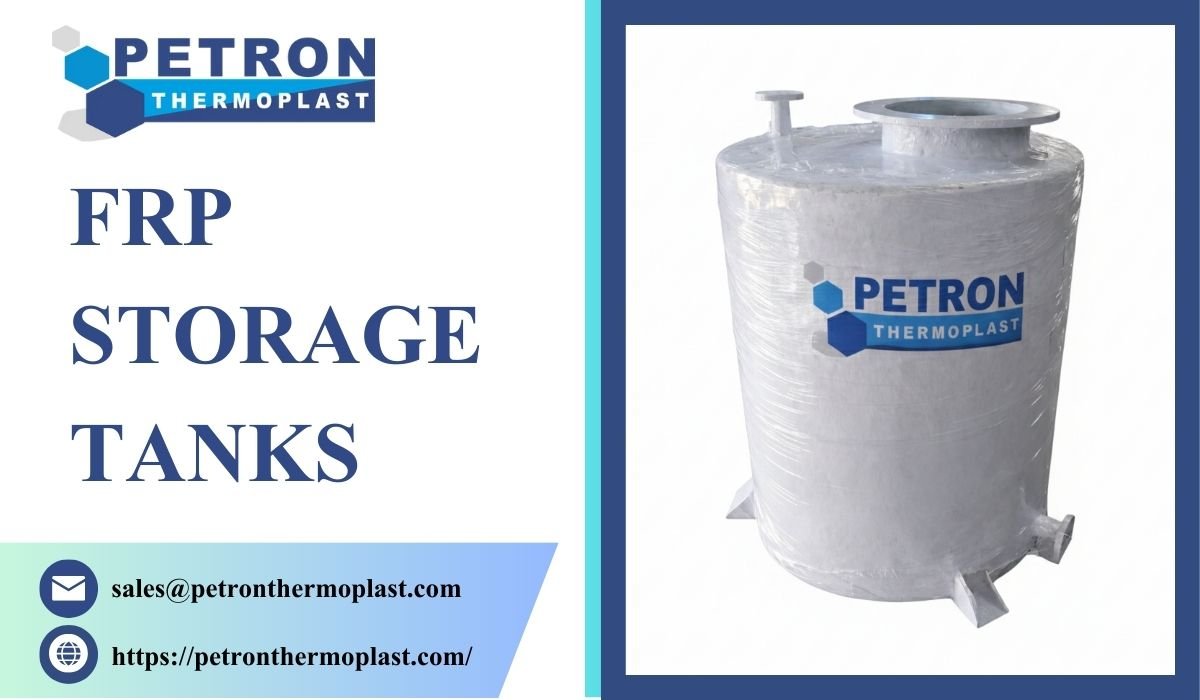
In modern industrial operations, safe and efficient storage of liquids and chemicals is a critical requirement. From chemical processing and water treatment to pharmaceuticals and power generation, storage systems must offer durability, safety, and long-term reliability. Among the various storage solutions available today, FRP (Fiber Reinforced Plastic) storage tanks have gained wide acceptance due to their excellent corrosion resistance, lightweight structure, and cost efficiency.
However, selecting the right FRP storage tank for your project is not just about choosing a tank size. It involves understanding your application requirements, operating conditions, regulatory standards, and long-term operational goals.
As a trusted manufacturer and supplier, Petron Thermoplast provides high-quality FRP storage tanks designed to meet diverse industrial needs. This blog will guide you through the key factors to consider when choosing the right FRP storage tank for your project.
Understanding FRP Storage Tanks
FRP storage tanks are manufactured using fiberglass reinforcement combined with high-performance resin systems. This composite structure provides high strength, chemical resistance, and durability while keeping the tank lightweight.
Unlike metal tanks, FRP tanks do not rust, corrode, or degrade easily in aggressive environments. They are widely used for storing chemicals, acids, alkalis, wastewater, process liquids, and potable water.
FRP tanks can be designed in various shapes, sizes, and configurations, making them suitable for customized industrial applications.
Why Choosing the Right FRP Tank Is Important?
Selecting an inappropriate storage tank can lead to serious operational and financial consequences, including:
- Leakage and contamination
- Equipment damage
- Safety hazards
- Regulatory non-compliance
- Increased maintenance costs
- Reduced service life
The right FRP storage tank ensures system reliability, operational safety, and long-term cost savings. It also supports smooth project execution and regulatory approvals.
Step 1: Identify Your Application Requirements
The first step in selecting an FRP tank is understanding how and where it will be used.
Type of Stored Media
Determine the nature of the liquid or chemical to be stored, such as:
- Acids and alkalis
- Solvents
- Industrial wastewater
- Process chemicals
- Drinking water
- Slurries
Each chemical has specific compatibility requirements with resin systems and liners.
Operating Temperature
Check the minimum and maximum operating temperatures. Some chemicals require tanks that can withstand elevated temperatures, while others need thermal stability in cold environments.
Pressure Conditions
Most FRP tanks are designed for atmospheric or low-pressure storage. If your application involves internal pressure or vacuum, special designs are required.
Indoor or Outdoor Installation
Outdoor tanks require UV-resistant coatings and weatherproof construction, while indoor tanks may focus more on space optimization.
Step 2: Select the Appropriate Resin System
The resin system determines the chemical resistance and durability of the FRP tank. Choosing the right resin is critical for long-term performance.
Common Resin Types
Polyester Resins
Suitable for water, mild chemicals, and general-purpose applications.
Vinyl Ester Resins
Offer superior resistance to aggressive chemicals and high temperatures. Commonly used in chemical processing.
Epoxy Resins
Used in specialized applications requiring high mechanical strength and chemical resistance.
Your supplier should recommend the correct resin based on your stored media and operating conditions.
Step 3: Determine the Required Tank Capacity and Dimensions
Tank size and volume should be selected based on:
- Daily or monthly storage requirements
- Production capacity
- Emergency reserve needs
- Space availability
- Future expansion plans
Capacity Planning
Avoid under-sizing, which can disrupt operations, and over-sizing, which increases capital costs. A well-planned capacity ensures optimal resource utilization.
Site Constraints
Consider:
- Installation space
- Access routes
- Foundation area
- Height restrictions
- Transport limitations
Customized dimensions may be required for constrained project sites.
Step 4: Choose the Right Tank Configuration
FRP storage tanks are available in various configurations depending on application needs.
Vertical Tanks
Most commonly used for bulk liquid storage. Suitable for limited floor space.
Horizontal Tanks
Used where height restrictions exist or mobile storage is required.
Underground Tanks
Designed for fuel, wastewater, or chemical storage where surface space is limited.
Open-Top Tanks
Used for mixing, treatment, and aeration processes.
Compartmental Tanks
Used when multiple liquids need to be stored in a single unit.
Selecting the right configuration improves operational efficiency and safety.
Step 5: Evaluate Structural Design and Thickness
The structural integrity of an FRP tank depends on its laminate design and wall thickness.
Key Design Factors
- Tank diameter and height
- Liquid density
- Wind and seismic loads
- Operating temperature
- Installation location
Well-designed tanks include:
- Reinforced bases
- Stiffening ribs
- Load-bearing laminates
- Impact-resistant layers
Always ensure that the design complies with recognized engineering standards.
Step 6: Check Compliance with Standards and Regulations
International and local regulations govern the design and use of industrial storage tanks. Compliance is essential for project approval and safe operation.
Common standards include:
- ASTM standards
- ISO guidelines
- ASME recommendations
- Local environmental regulations
Ensure that your FRP tank supplier provides:
- Test reports
- Material certificates
- Design documentation
- Quality assurance records
Compliance reduces legal risks and improves project credibility.
Step 7: Consider Accessories and Custom Features
Modern FRP storage tanks can be customized with various accessories to enhance functionality and safety.
Common Accessories
- Manholes and inspection covers
- Inlet and outlet nozzles
- Overflow lines
- Vent pipes
- Level indicators
- Agitator mounts
- Heating coils
- Ladders and platforms
These features should be selected based on operational needs and maintenance requirements.
Step 8: Evaluate Installation and Foundation Requirements
Proper installation plays a major role in tank performance and service life.
Foundation Design
FRP tanks require a stable and level foundation, such as:
- RCC platforms
- Concrete pads
- Steel structures
Poor foundation design can lead to uneven loading and structural failure.
Installation Considerations
- Alignment and leveling
- Anchor bolts
- Wind bracing
- Drainage systems
- Accessibility for maintenance
Professional installation ensures safety and compliance.
Step 9: Assess Maintenance and Lifecycle Costs
While FRP tanks require less maintenance than metal tanks, periodic inspection is still necessary.
Maintenance Factors
- Cleaning frequency
- Inspection intervals
- Repair procedures
- Replacement of fittings
- Surface coating upkeep
Selecting high-quality materials and proper design reduces long-term maintenance costs.
Lifecycle Cost Analysis
Consider not only the purchase price but also:
- Installation cost
- Operating expenses
- Maintenance cost
- Downtime losses
- Replacement cost
A well-designed FRP tank offers excellent return on investment over its lifespan.
Step 10: Choose a Reliable Manufacturer and Supplier
The performance of an FRP storage tank depends greatly on the expertise of the manufacturer.
A reliable supplier should offer:
- Technical consultation
- Custom engineering support
- Quality-controlled manufacturing
- International certifications
- Export packaging
- After-sales service
Partnering with an experienced manufacturer ensures that your tank meets project requirements and performs reliably.
Common Mistakes to Avoid
When selecting FRP storage tanks, avoid these common errors:
- Ignoring chemical compatibility
- Underestimating operating temperature
- Choosing low-quality resins
- Overlooking foundation design
- Skipping regulatory compliance
- Focusing only on initial cost
These mistakes can result in premature failures and higher long-term expenses.
Future Trends in FRP Storage Tank Technology
With advancements in materials and manufacturing, FRP tanks are continuously evolving. Emerging trends include:
- Smart monitoring systems
- Improved resin formulations
- Enhanced fire-retardant designs
- Eco-friendly production methods
- Higher pressure-rated tanks
These innovations will further strengthen the role of FRP tanks in industrial storage systems.
Conclusion
Selecting the right FRP storage tank is a strategic decision that directly impacts the safety, efficiency, and profitability of your project. By carefully evaluating application requirements, resin systems, design specifications, compliance standards, and supplier capabilities, you can ensure long-term performance and reliability.
FRP storage tanks offer a powerful combination of corrosion resistance, structural strength, and cost efficiency, making them ideal for a wide range of industrial applications. With proper planning and support from a trusted manufacturer, you can implement a storage solution that meets current operational needs while supporting future growth. Investing in the right FRP storage tank today ensures sustainable and trouble-free operations for years to come.
Comments
You must be logged in to comment.
Latest Articals
-

Jacket Back Digitizing USA: Professional Embroidery Solutions
Custom embroidery is widely used by businesses, teams, and designers to add a professional touch to apparel. Among these services, jacket back digitizing USA has become essential for transforming logos, text, and artwork into precise stitch-ready designs. This service ensures that embroidery on the back of jackets maintains accuracy, durability, and a polished appearance.What is Jacket Back Digitizing?Digitizing is the process of converting a design into a digital embroidery file. This file tells the embroidery machine how to stitch the design, including the stitch direction, density, and sequence. Jackets often have larger back panels, which allows for more detailed and complex designs. Proper jacket back digitizing ensures that embroidery looks clean and professional, even on thick or layered materials.Why Jacket Back Digitizing MattersDigitizing a jacket back is different from smaller apparel items such as caps or shirts. Jackets are typically made from thicker fabrics, lined materials, or multiple layers, which...
-

Discover the Best Non Veg Restaurant in Chembur: A Meat Lover’s Paradise
Best place to eat in chembur food culture continues to evolve with restaurants that reflect both traditional Indian tastes and modern culinary innovation. Among these, Delhi Se.. has distinguished itself by offering a menu centered on bold non-vegetarian dishes, paired with refined service and a welcoming ambience. This guest post explores what makes it a must-visit for meat lovers.A Destination Where Authentic Flavours Meet Culinary ExcellenceDelhi Se.. has earned a reputation among diners for its commitment to quality, consistency, and flavour. The kitchen celebrates the robust and diverse heritage of Indian non-vegetarian cuisine, presenting dishes with strong regional influences and a contemporary dining flair.From rich curries to succulent tandoori meats, every dish is prepared with precision and an emphasis on depth of flavour. The result is a menu that excites the palate with spice, freshness, and rich textures — a hallmark of truly great non-vegetarian cuisine.Signature Non-Vegetarian PreparationsOne of the...
-
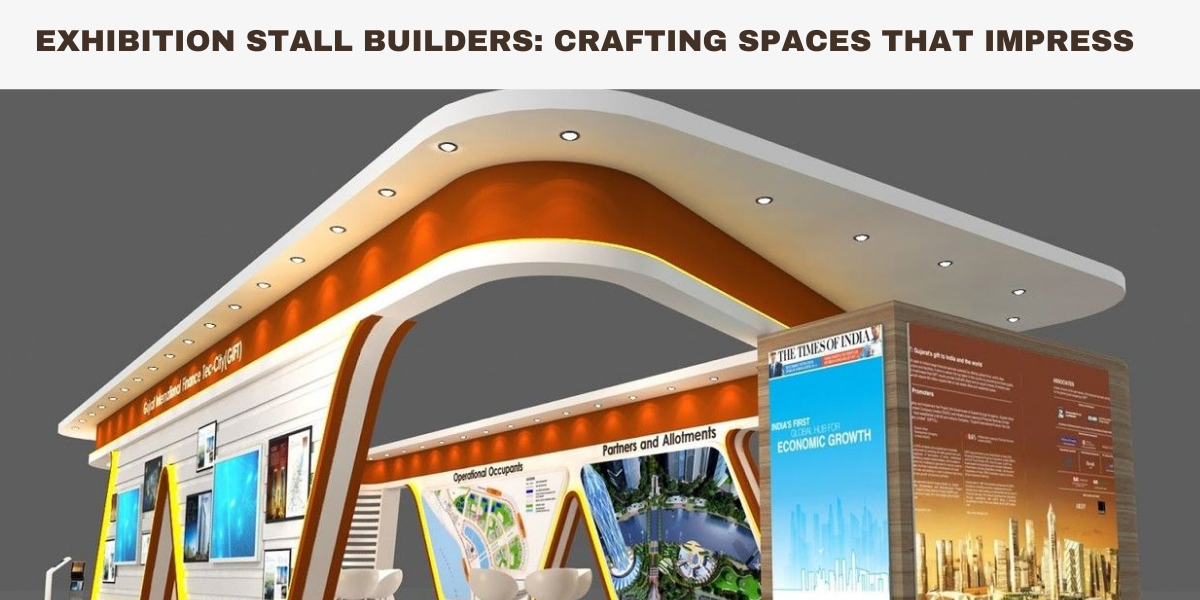
Exhibition Stall Builders: Crafting Spaces That Impress
In the competitive world of trade shows, expos, and exhibitions, the visual appeal and functionality of a stall can make or break a business’s impression. This is where professional Exhibition Stall Builders play a critical role, transforming concepts into engaging, practical, and visually striking spaces that captivate audiences and enhance brand presence.Who Are Exhibition Stall Builders?Exhibition Stall Builders are specialists in designing, constructing, and installing exhibition booths and stalls tailored to a brand’s requirements. Unlike generic or pre-fabricated stalls, these experts focus on custom solutions that align with a company’s image, marketing objectives, and spatial constraints. They combine creativity, engineering expertise, and project management skills to deliver stalls that are both functional and memorable.These builders often work with a variety of materials, including aluminum, steel, wood, acrylic, and fabric, allowing them to create innovative designs that range from minimalistic elegance to elaborate, high-tech setups. Their work often extends beyond construction—they...
-
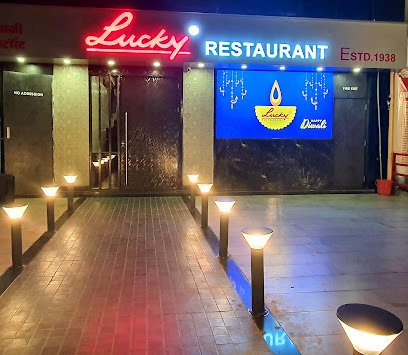
A Top Dining Destination in Thane West: Lucky Restaurant Thane West
Thane West is more than just a residential neighbourhood — it’s a thriving hub of culture, community, and increasingly, a rich culinary scene. Whether you’re a local resident, an office-going professional winding down after work, or a visitor exploring the city’s food landscape, Thane West offers a growing number of places to eat, drink, and enjoy good company.However, amid this expanding food culture, one restaurant stands out as a favourite among locals and visitors alike — a place where flavour, atmosphere, tradition, and hospitality come together to deliver consistently memorable meals. That restaurant is Lucky Restaurant Thane West, widely recognized as one of the best restaurants in Thane West for flavourful Indian cuisine, hearty portions, and welcoming ambience.Whether you’re craving biryani that melts in your mouth, rich curries that satisfy deep flavour cravings, or a vibrant setting for dinner with friends and family, Lucky Restaurant Thane West offers all of...
-

Hair Transplant in Dubai: How to Prepare for the Procedure
Preparing for a hair transplant is a crucial step to ensure the best possible results. Hair Transplant in Dubai (زراعة الشعر في دبي) has become increasingly popular, attracting individuals who want a natural and permanent solution for hair loss. Being well-prepared not only enhances the outcome but also makes the entire experience smoother and less stressful for patients.Understanding the Procedure Before undergoing a hair transplant, it is essential to understand what the procedure involves. A hair transplant typically takes hair follicles from one area of the scalp, usually the back or sides, and implants them into thinning or bald areas. Familiarity with the process helps patients feel more comfortable and confident before the day of the procedure.Consultation and Planning A thorough consultation at tajmeels clinic dubai allows patients to discuss their goals and expectations. During this meeting, the medical team assesses hair density, scalp condition, and the best areas for...
-

Best Online Cricket ID Free – Instant & Secure Access | Annabook
With a strong passion for cricket and digital platforms, I help users access the best online cricket id free via annabook. I focus on transparency, safety, and quick customer support. My commitment is to make the process easy, secure, and user-friendly for everyone looking for trusted online cricket services.