US Luxury Goods Market Report 2025–2033: Product, Channels & State Ana
.jpg)
United States Luxury Goods Market Forecast 2025–2033
According to Renub Research United States luxury goods market is set for a strong growth cycle over the next decade, reaching a projected US$ 196.16 billion by 2033, up from an estimated US$ 115.22 billion in 2024. This expansion reflects a CAGR of 6.09% from 2025 to 2033, indicating robust consumer appetite for premium, exclusive, and high-craftsmanship products. A combination of rising disposable incomes, growing influence from digital platforms, and the purchasing power of millennials and Gen Z continues to reshape the industry’s landscape. Social media visibility, global travel, and the rising preference for customized and experiential luxury are further strengthening demand, positioning the U.S. as one of the world’s most important luxury markets.
United States Luxury Goods Industry Overview
Luxury goods encompass a wide variety of high-end categories, including apparel, jewelry, watches, cosmetics, accessories, designer handbags, home décor, and luxury automobiles. Beyond superior quality and craftsmanship, luxury products are valued for scarcity, innovative design, and the social prestige they confer. Unlike mass-market goods, luxury brands rely on legacy, storytelling, artisanal techniques, and exclusivity to maintain brand equity.
The U.S. luxury industry continues to evolve as consumer expectations shift. Today’s buyers—especially younger demographics—favor brands with strong digital visibility, cultural relevance, sustainability commitments, and personalized offerings. Millennials and Gen Z, in particular, are reshaping the market by embracing luxury not only as a status symbol but also as a form of self-expression and investment. Their purchasing journeys are heavily influenced by social media, online reviews, and celebrity endorsements, all of which have become essential marketing tools for luxury houses.
Globalization and urbanization have expanded the luxury customer base, while omnichannel retail strategies enable seamless integration of digital convenience with premium in-store experiences. International tourism remains a vital contributor, even as domestic shoppers increasingly drive sales of high-end goods. Luxury brands are focusing on limited-edition collections, bespoke services, and immersive experiences to deepen customer loyalty and elevate brand desirability. With rising incomes and heightened awareness of craftsmanship and prestige, the U.S. luxury sector is expected to sustain strong growth in the years ahead.
Request a free sample copy of the report:https://www.renub.com/request-sample-page.php?gturl=united-states-luxury-goods-market-p.php
Key Growth Drivers for the United States Luxury Goods Market
1. Influence of Social Media and Celebrity Endorsements
Social media has revolutionized the way luxury brands interact with consumers, creating unprecedented visibility and democratizing access to aspirational products. Platforms like Instagram, TikTok, and YouTube have blurred geographic and demographic boundaries, enabling luxury houses to reach younger audiences in real time. Viral trends, influencer-led campaigns, and behind-the-scenes brand storytelling play powerful roles in shaping purchasing decisions.
A major industry shift is the rise of cultural figures—musicians, actors, content creators—taking on brand leadership roles traditionally held by designers. For example, in February 2025, Ray-Ban appointed A$AP Rocky as its first Global Creative Director, showcasing how luxury houses are increasingly leveraging cultural relevance over conventional design backgrounds. This transformation reflects the broader view that luxury today is as much about cultural impact and identity as it is about craftsmanship.
Celebrity endorsements amplify desirability and enhance brand authenticity, especially among Gen Z consumers who seek products aligned with the personalities they admire. Through these digital ecosystems, luxury brands build emotional connections that strengthen loyalty and fuel long-term market growth.
2. Sustainability as a Core Consumer Priority
Environmental consciousness has moved from a trend to a fundamental expectation in the U.S. luxury market. Modern consumers—especially younger generations—favor brands that demonstrate responsible production practices, ethical sourcing, and transparency throughout the supply chain. According to a Stifel survey from October 2023, 20% of U.S. Millennials and 22% of Gen Z say they only purchase from brands that share their values or follow sustainable practices, underscoring a shift in luxury buying behavior.
Luxury brands are responding with innovative sustainability initiatives:
· Circular economy principles using upcycled, recycled, and repurposed materials
· Regenerative agriculture for raw materials, such as Stella McCartney’s use of deadstock textiles
· Eco-conscious packaging, exemplified by Rolex’s 2024 sustainable packaging made of recycled cardboard and plywood
· Carbon-neutral production and reduced environmental footprints
These efforts help brands maintain premium quality while aligning with consumer expectations. Sustainability is no longer an optional feature; it is a strategic differentiator driving customer loyalty and competitive advantage in the U.S. luxury sector.
3. Product Innovation in Materials and Design
Product innovation remains a cornerstone in maintaining luxury status and supporting premium pricing. Brands in the U.S. market are increasingly experimenting with cutting-edge materials, sustainable inputs, and multi-functional designs that appeal to both eco-conscious and value-driven buyers.
The fashion segment is seeing notable advancements including:
· Organic cotton and mycelium-based leather alternatives
· Regenerative leather from ethical farms, such as Koio’s carbon-neutral footwear line
· Biodegradable textiles, including Koio’s 99% biodegradable sneaker launched in October 2023
Innovation extends beyond fashion into luxury beauty. With rising living costs, consumers want products that combine multiple functions while still offering a premium experience. Luxury beauty houses are responding with hybrid formulations that blend skincare, cosmetics, and protective benefits into a single product.
This focus on material innovation, sustainability, and multi-functionality reflects the industry’s evolution toward meeting modern consumer expectations while retaining the craftsmanship and exclusivity intrinsic to luxury goods.
Major Challenges in the U.S. Luxury Goods Market
1. Counterfeiting and Gray Market Sales
Counterfeit and gray market goods remain significant problems for the U.S. luxury sector. Counterfeiting undermines brand integrity, reduces legitimate sales, and exposes consumers to poor-quality imitations that harm brand trust. Luxury goods—due to their high prices and strong brand equity—are prime targets for imitation.
Gray market sales, where authentic products are sold through unauthorized channels, further complicate matters by disrupting pricing structures and damaging the exclusivity that luxury brands depend on. Both issues challenge brand positioning and require substantial investments in:
· Secure supply chain systems
· Anti-counterfeit technologies
· Consumer education
· Authentication mechanisms
Maintaining exclusivity and protecting intellectual property remain top priorities for luxury companies operating in the U.S.
2. Growing Price Sensitivity Among U.S. Consumers
Despite rising incomes, U.S. consumers are increasingly cautious about luxury spending due to inflationary pressures, prolonged price hikes, and economic uncertainty. Many aspirational buyers are delaying purchases, shifting to more accessible luxury alternatives, or focusing on resale and secondhand options.
This change signals a reorganization of the luxury consumer base:
· Entry-level luxury buyers are becoming more selective
· Mid-tier luxury brands face heightened competition from premium contemporary labels
· High-net-worth consumers continue spending but increasingly prioritize exclusivity and craftsmanship
Price sensitivity challenges brands to balance premium pricing with value, innovation, and brand storytelling that justifies higher costs.
State-Level Market Overview
California Luxury Goods Market
California is one of the most vibrant luxury markets in the U.S., shaped by its affluent population and highly trend-conscious consumers. Los Angeles, San Francisco, and Beverly Hills are major luxury hubs known for designer boutiques, high-end cars, luxury beauty, and premium accessories.
California’s market benefits from:
· Strong celebrity and influencer presence
· Robust e-commerce penetration
· High tourism inflow
· Preference for sustainability and bespoke craftsmanship
The state’s cultural influence and economic strength make it a key growth driver of the national luxury goods industry.
Texas Luxury Goods Market
Texas is a rapidly growing luxury market driven by urbanization, rising household incomes, and expanding high-income demographics in Dallas, Houston, and Austin. Demand spans categories such as designer fashion, accessories, automobiles, and luxury home décor.
Growth drivers include:
· Flourishing corporate culture and business gifting
· Expanding retail and e-commerce presence
· Strong social media influence on aspirational consumers
Texas consumers value exclusivity, high-quality craftsmanship, and personalized shopping experiences, supporting steady market expansion.
New York Luxury Goods Market
New York—especially NYC—is a global luxury epicenter. Its flagship stores, luxury districts, and global tourist inflow create strong demand for premium apparel, accessories, jewelry, watches, and cosmetics.
Key characteristics of this market include:
· High brand prestige awareness
· Sophisticated and diverse consumer base
· Strong digital and omnichannel engagement
· Influence of cultural and fashion events
New York consistently sets trends that influence luxury purchasing across the country.
Florida Luxury Goods Market
Florida’s luxury market is shaped by wealthy residents, tourists, and seasonal populations. Miami, Orlando, and Palm Beach serve as major hotspots for luxury apparel, jewelry, cosmetics, and automobiles.
Market growth is supported by:
· High tourist spending
· Strong interest in wellness and beauty products
· Growing demand for personalized and exclusive items
Florida remains a pivotal luxury market due to its international appeal and diverse consumer base.
Recent Developments in the U.S. Luxury Goods Market
· Feb 2025: Tacori expanded its retail footprint with 15 new premium shop-in-shop partner locations.
· April 2024: Gucci opened a 17,500 sq. ft. flagship store in Southern California, offering apparel, accessories, and jewelry.
· January 2024: Prada launched "Prada Beauty" in the U.S., introducing a new skincare line powered by its innovative Adapto.gn Smart Technology.
United States Luxury Goods Market Segmentation
Product Type
· Watches & Jewellery
· Perfumes & Cosmetics
· Clothing
· Bags/Purses
· Others
Distribution Channel
· Online
· Offline
End User
· Women
· Men
States Covered (29 Viewpoints)
California, Texas, New York, Florida, Illinois, Pennsylvania, Ohio, Georgia, New Jersey, Washington, North Carolina, Massachusetts, Virginia, Michigan, Maryland, Colorado, Tennessee, Indiana, Arizona, Minnesota, Wisconsin, Missouri, Connecticut, South Carolina, Oregon, Louisiana, Alabama, Kentucky, Rest of U.S.
Key Companies Covered (5 Viewpoints Each)
· Kering S.A.
· Ralph Lauren Corporation
· Valentino S.p.A.
· Gianni Versace S.r.l
· Hermès International S.A.
· Compagnie Financière Richemont S.A.
· Giorgio Armani S.p.A
· LVMH Moët Hennessy Louis Vuitton
· Prada S.p.A.
· The Swatch Group Ltd
Comments
You must be logged in to comment.
Latest Articals
-

Faith, Healing, and Inner Change Through Inspirational Stories on Spiritual Growth
Spiritual growth rarely happens in comfort. It is often born in silence, struggle, guilt, doubt, and longing. In An Inward Journey, Peter Knoester walks through those very spaces. His reflections are not polished sermons or theological lectures. They are honest confessions, inner debates, prayers whispered in weakness, and meditations on eternity. Through his writing, readers encounter something deeply human: a soul wrestling with God, sin, redemption, and the mystery of existence.At its heart, this book offers inspirational stories on spiritual growth that unfold not through dramatic miracles, but through inward transformation. The author does not present himself as spiritually superior. Instead, he writes as someone aware of his flaws, haunted by his failures, and yet unwilling to stop seeking divine mercy. That honesty makes his reflections powerful and relatable.The Universal Longing for MeaningFrom the opening chapters, Knoester explores the shared human desire to connect with something beyond the material world. He...
-
99 Exchange Website | Smooth Access & Trusted Service at 99excha
IntroductionIn the fast pace of today’s digital world, users demand fast, secure and easy to use platforms. The 99 Exchange site shines through as a dependable place to get the best, whether you want to make sure you have the best experience or just want to pass through. Run by 99excha, this platform offers you performance, accessibility, and user trust — all in a single place. A Modern Platform Built for ConvenienceThe success of any online exchange platform depends on how easily users can access and interact with it. 99excha has developed the 99 Exchange website with a clean interface, fast-loading pages, and simple navigation tools. Whether you are a new visitor or a regular member, the layout ensures you can quickly find what you need without confusion.From streamlined menus to optimized mobile compatibility, every feature is built to support seamless browsing. The goal of 99excha is simple — provide smooth...
-
.jpg)
Birla Evara Sarjapur: Contemporary Skyline Living with Expansive Green Comfort
A modern home should offer more than just luxury—it should provide peace, connectivity, and thoughtfully designed spaces that enhance everyday life. Nestled in one of Bangalore’s most rapidly growing corridors, Birla Evara Sarjapur stands as a landmark residential township that perfectly blends urban sophistication with natural serenity. Spread across 25.71 acres, this premium development dedicates over 75% of its land to open spaces, creating a refreshing environment for residents.Designed under the LifeDesigned® philosophy, the township focuses on intelligent architecture, sustainable planning, and community-centric living. With high-rise towers, dual clubhouses, landscaped courtyards, and more than 25 lifestyle amenities, it sets a new benchmark for residential excellence on Sarjapur Road.A Prime Address in Bangalore’s Growth CorridorSarjapur Road has evolved into one of the city’s most sought-after residential zones. Its excellent connectivity to major IT parks and commercial hubs makes it ideal for professionals and families alike.Residents benefit from proximity to:Major IT corridorsOuter...
-

The Best Books on Leadership: Your Complete Guide to Building Trust, Strategy, and Integrity in Your Leadership Journey
Leadership is not defined by authority alone. It is revealed through decisions made under pressure, the ability to balance power with responsibility, and the courage to grow when control no longer works. Many leaders turn to the best books on leadership not to find shortcuts, but to understand how trust, strategy, and integrity can coexist. At the center of this conversation stands Machiavelli Mouse: A Search for Hybrid Wisdom by Phillip J. Velasquez—a leadership fable that reframes power as something to be carried wisely, not wielded blindly.This blog is written through the lens of Machiavelli Mouse, using its lessons as the foundation. Together, these lessons reflect why these types of books focus not on domination but on development.Why Machiavelli Mouse Belongs Among the Best Books on LeadershipMachiavelli Mouse earns its place among the best books because it addresses a problem many leaders face but rarely name: effectiveness without integrity eventually collapses. The story follows a...
-

A Guide to Fix QuickBooks Stuck on Installing ABS PDF Driver
If you are experiencing QBDT installation issues related to QuickBooks stuck on installing ABS PDF Driver, a missing or damaged driver most likely causes the issue. To resolve this, download and install the QuickBooks Tool Hub, then use it to run the QuickBooks Install Diagnostic Tool. In this blog, we will take a closer look at the potential causes of this error and walk you through detailed resolutions to resolve it. Understanding the Root Cause for Issues with ABS PDF Driver When Installing QBFirst, we need to explore and understand the reasons behind the ABS PDF driver when installing the application:If the QBW32.exe process is active while installing the drivers, it can interfere with and prevent successful installation Saving a file with the wrong extension or working on a file that is damaged or affected If the file does not have the required permissions or access to the specified location Security threats or issues...
-
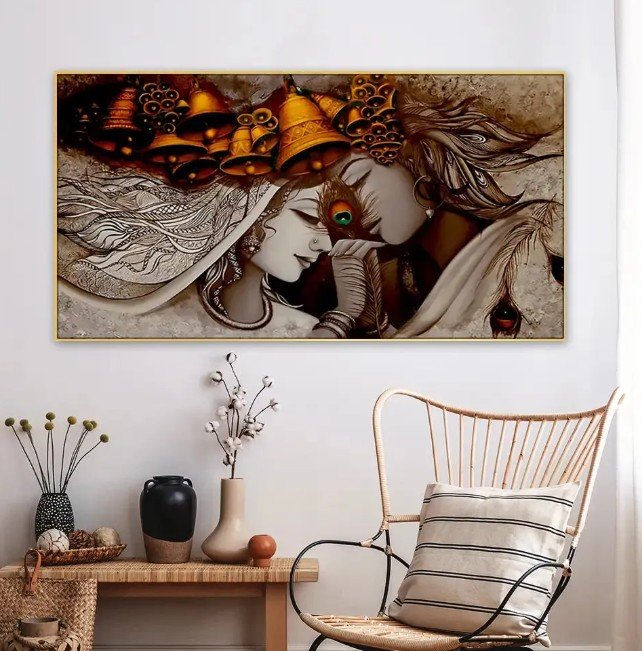
Krishna Painting Trends: Radha Krishna Canvas Painting & Wall Painting Design by WallMantra
Spiritual art has always held a special place in Indian homes, and among all divine themes, Krishna painting continues to be the most cherished. Symbolizing love, harmony, and positivity, Radha Krishna artwork beautifully blends devotion with artistic elegance. From contemporary Radha Krishna Canvas Painting styles to thoughtfully crafted Radha Krishna Wall Painting Design trends, this form of art is evolving to match modern interiors.At WallMantra, we bring together tradition and design to create wall art that uplifts both your space and your spirit. Krishna Painting: Timeless Beauty with Spiritual MeaningA krishna painting is more than décor—it’s a symbol of divine love, compassion, and joy. Whether Krishna is depicted playing the flute, standing serenely by Radha, or surrounded by nature, each artwork creates a calming and positive ambiance.Why Krishna Paintings Are Always in Trend:They bring peace and spiritual energy into the homeThey suit both traditional and modern interiorsThey create an emotional...