How a Hospital Management System Quietly Transforms Everyday Care

Smart hospitals are not built overnight. They grow out of thousands of small, everyday decisions: how a nurse finds a patient’s history, how quickly a doctor sees lab results, how accurately billing is recorded, and how clearly administrators can see what is happening across the facility. When these pieces are disconnected, everyone feels it—patients wait longer, staff burn out faster, and leaders struggle to make confident decisions.
That is where a thoughtfully implemented Hospital Management System can quietly transform the backbone of care delivery. It should not appear as a flashy technology upgrade, but as a practical, reliable framework that keeps information flowing to the right people at the right time. Instead of scattered files, isolated applications, and repeated explanations, there is a single, connected view of each patient and each transaction.
Many hospitals still rely on a blend of paper records, spreadsheets, and memory to get through the day. This approach works until a file goes missing, a discharge is delayed because billing does not have the final treatment details, or two departments call the same patient with conflicting information. None of these situations are dramatic in isolation, yet together they create a level of friction that patients and staff feel deeply. Over time, they erode trust and make even simple days feel exhausting.
A well‑designed piece of Hospital Management Software does not simply digitize existing processes; it connects them. Registration, outpatient and inpatient departments, pharmacy, laboratory, billing, insurance, and administration stop working as separate islands and begin to function like one coordinated system. At the heart of this system lies shared data: who the patient is, what has been prescribed, which tests are pending, what payments are due, and what obligations the hospital has in terms of care and follow‑up.
When data lives in silos, front‑desk staff repeat questions that patients have already answered, doctors lose valuable minutes searching for old reports, and managers rely on guesswork rather than clear numbers. When information is centralized, everyone sees the same, current picture. The front desk views appointment history, the doctor accesses clinical notes and investigations, billing tracks services in real time, and management monitors activity through dashboards. The outcome is quiet but powerful: fewer errors, smoother handoffs, and a more consistent experience for patients, no matter which counter or department they visit.
Technology in a hospital is only successful when it reduces mental load rather than adding one more screen to click through. Strong Hospital Management Software is designed around clinical and operational workflows instead of arbitrary technical checklists. Doctors can call up a patient’s complete history in seconds, including previous visits, allergies, and test reports. Nurses see clear task lists showing medications due, vitals to record, and procedures scheduled. Orders flow smoothly to pharmacy and lab without messy handwriting and misread instructions. When clinicians spend less time chasing information, they regain time for explaining, listening, reassuring, and making better decisions.
Patients rarely ask which system a hospital uses; they care about how the experience feels. Thoughtful digitization shows up as shorter queues, more predictable waiting times, fewer repetitive forms, and bills that are easier to understand. Clear reminders for appointments, tests, and payments help patients stay on track without constant phone calls. A hospital does not need marble lobbies to feel premium; it needs organized processes, proactive communication, and staff who are not constantly firefighting.
Hospital leaders, meanwhile, are asked to improve quality, control costs, and grow the organization all at once. Without accurate and timely data, strategy becomes guesswork. An integrated Hospital Management System can reveal which departments are under pressure, which services are profitable yet resource heavy, how long admissions and discharges truly take, and where claims or bills tend to stall. These insights are not just technical reports; they are tools for deciding where to invest, where to redesign workflows, and how to set realistic performance benchmarks.
Buying software is easy; making it work in a real hospital is the real challenge. Successful implementations treat the project as a strategic initiative rather than a one‑time purchase. Doctors, nurses, front‑office staff, finance teams, and technical staff are involved in shaping requirements and testing the system. Training is not a single session but an ongoing conversation with space for questions and feedback. When people feel heard during this process, they are far more likely to trust the system and rely on it in critical moments.
In the end, no platform can solve every problem on its own. Any Hospital Management Software will amplify the culture that already exists. If a hospital values transparency, collaboration, and accountability, a centralized system will make those strengths more visible. If it resists change and avoids tough conversations, even the most advanced software will look like extra work. The most successful institutions see technology as part of a broader journey toward more informed decisions, more consistent processes, and more humane experiences for patients and staff.
Digital transformation in healthcare is not about replacing people. It is about supporting them with systems that quietly take care of the routine, so humans can focus on what only humans can do: care.
Comments
You must be logged in to comment.
Latest Articals
-

Anti-Drone Market Benefits from Advancements in Radar and RF Technologies
Anti-Drone Market Size, Share, Growth & Industry Analysis, 2024–2031The global anti-drone market was valued at USD 2,416.8 million in 2023, is expected to reach USD 3,010.4 million in 2024, and projected to grow to USD 15,061.6 million by 2031, exhibiting an exceptional CAGR of 25.86% during the forecast period. The market expansion is driven by the rising threat of unauthorized drone activities, increasing security concerns in defense and public infrastructure, and the rapid development of advanced counter-drone technologies.Get Full Detailed PDF Report: https://www.kingsresearch.com/anti-drone-market-1930 Market OverviewThe anti-drone market focuses on technologies and systems designed to detect, identify, and neutralize unauthorized or hostile drones. With drones becoming increasingly accessible for commercial and recreational use, concerns over airspace safety, privacy, and national security have intensified. Anti-drone systems provide protection to critical infrastructure, airports, military bases, and public venues from potential drone intrusions and attacks.The market is evolving rapidly due to technological advancements in radar, radio frequency (RF), electro-optical sensors, and directed energy systems. Additionally, increased government investments in drone defense programs and the...
-
.png)
Trusted Mechanic in Stratford – Reliable, Affordable & Complete Auto Care
Keeping your vehicle in excellent condition requires the support of a trusted and knowledgeable mechanic. For drivers in Stratford, having access to skilled automotive professionals makes all the difference when it comes to safety, performance, and long-term reliability. A qualified mechanic in Stratford offers expert diagnostics, high-quality repairs, and preventative maintenance to keep your vehicle running smoothly all year long.Professional Automotive Diagnostics in StratfordModern vehicles rely on advanced systems that require the right tools and training to diagnose effectively. A professional mechanic in Stratford uses state-of-the-art diagnostic equipment to accurately detect issues with your engine, electrical systems, sensors, fuel injectors, transmission, and more. Quick and precise diagnostics help prevent small problems from turning into costly repairs. With expert troubleshooting, you can trust that your vehicle receives only the repairs it truly needs.Routine Maintenance for Long-Lasting PerformanceRegular maintenance is essential to extend the life of your vehicle and avoid unexpected breakdowns....
-

Expert Office Furniture Setup in Minneapolis & St Paul with Reliable Service by American Office Installations
American Office installations is a well established business enterprise within the twin cities offering full service office furniture installation Minneapolis based on the needs of start-ups, growing companies and big organizations. From simple desk configurations to complex and modular systems, we have highly skilled installers to ensure that every component they deal with is not only put together but also on time and without failure.The opening of a new office, a move, refurbishing, or modifying your furnishings, we have credible solutions that can help your business operation within a short period of time and in an efficient manner.1. Reasons to pick American Office Installations at Minneapolis and Saint PaulAmerican Office Installations has a solid practical experience in the installation of office furniture in the state of Minneapolis and St. Paul, which makes us a desirable partner of the companies of various industries. Our group is aware that every office is...
-
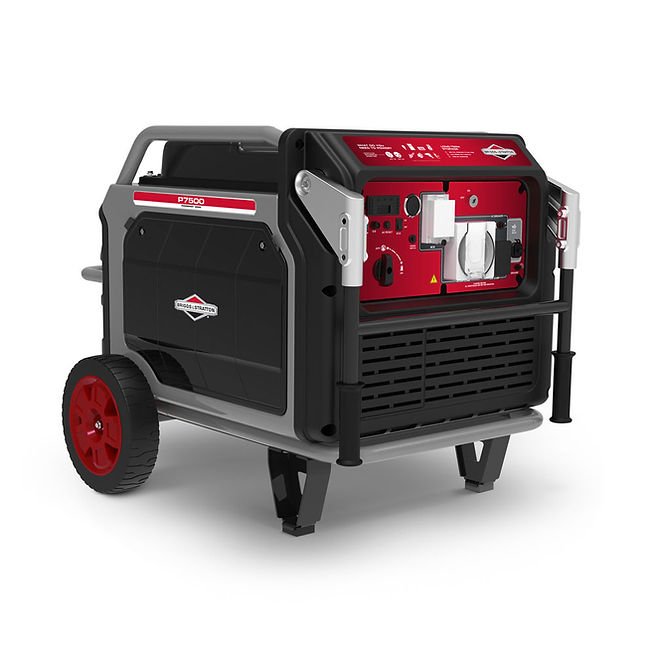
How a Food Trailer Generator Supports New Zealand Food Trailers
Starting a mobile catering venture is an exhilarating journey that turns culinary passion into a flexible business reality. However, the backbone of any successful mobile setup isn't just the menu; it’s the reliable power source that keeps the lights on, the fridges cold, and the coffee flowing. In the diverse landscapes of Aotearoa, a high-quality food trailer generator is the most critical investment an owner can make to ensure operational independence and long-term success.Powering Your Culinary IndependenceMobile food businesses thrive on their ability to reach customers in locations where traditional brick-and-mortar restaurants cannot go. Whether you are parked at a remote beach during the height of summer or set up at a bustling weekend market in the heart of the city, you need a power solution that doesn't tether you to a wall socket. This is where specialized food trailer generator technology becomes indispensable.Without a dedicated power source, your business...
-

What Is the Overactive Bladder Market Reaching Approximately USD 5.55 Billion by 2035?
The Overactive Bladder Market represents a significant segment of the global urology and chronic care therapeutics landscape, addressing a condition that affects millions of people worldwide. Overactive bladder (OAB) is characterized by symptoms such as urinary urgency, frequent urination, nocturia, and, in some cases, urge incontinence. Although not life-threatening, OAB substantially impacts quality of life, mental health, productivity, and social well-being.In 2025, the overactive bladder market was valued at USD 3.90 Billion and is projected to grow steadily at a CAGR of 3.60% from 2026 to 2035, reaching approximately USD 5.55 Billion by 2035. Market growth is driven by the rising prevalence of urinary disorders, aging populations, increased diagnosis rates, and growing adoption of both pharmacological and non-pharmacological treatment options.Why Is the Overactive Bladder Market Experiencing Steady Growth? The growth of the overactive bladder market is primarily fueled by demographic and lifestyle trends. Aging populations in developed and emerging economies are...
-
Global HVAC Linset Market Forecast 2025–2032: Expansion Driven by Increasing HVAC Installations Worldwide
Kings Research announces the publication of its latest study on the Global HVAC Lineset Market, offering an in-depth assessment of market growth, trends, demand dynamics, segmentation, competitive landscape, and regional opportunities. The report maps how next-gen refrigerants, electrification of heating, and heightened energy-efficiency standards are reshaping specifications and purchasing patterns for copper and composite linesets used across residential, commercial, and industrial HVAC installations.The global HVAC linset market was valued at USD 9.81 billion in 2024 and is projected to grow from USD 10.51 billion in 2025 to USD 17.96 billion by 2032, exhibiting a CAGR of 7.96% during the forecast period.Market Snapshot (from Kings Research study)Product Scope: Refrigerant linesets (suction and liquid lines) for split ACs, VRF/VRV systems, heat pumps, and chilled water interface systems; pre-insulated and bare options.Key Build Types: New construction and retrofit/replacement.Materials: Copper (seamless/annealed), aluminum and multilayer composite alternatives.Insulation: Elastomeric, polyethylene (PE) foam, UV-resistant and fire-rated jackets; lined with low-permeability barriers for...