Is a Diploma in Childcare a Good Career Choice in Australia?
.jpg)
Making the right career choice can be difficult, especially when looking at today's ever-changing job market. One area of growing demand throughout Australia is early childhood education. But is a Diploma in Childcare really a good career choice? The short answer is "yes", as it can provide stability, a sense of purpose and opportunity for long term growth and career advancement, for a large portion of the population. Let's look at why this qualification is sought after and who will benefit the most from having this qualification in their chosen profession.
Why Childcare Is in High Demand in Australia
The rapidly growing childcare and early years sector in Australia is due to improved participation by parents in the workforce, increased levels of government funding for early childhood education, and a great deal of attention on children's development. Childcare centres, kindergartens, and early childhood services across Australia need qualified educators on a regular basis.
Due to the ongoing skills gap in the sector, qualified childcare professionals have excellent job security and a large number of ongoing employment options across both metropolitan and regional areas.
What Is a Diploma in Childcare?
In Australia, a nationally recognised qualification called the Diploma in Childcare (Diploma Of Early Childhood Education And Care) will assist students to prepare for their roles as senior educators and leaders within early learning environments.
The following are included within the course:
- Child Development and Learning Frameworks
- Creating Safe, Inclusive and Engaging Environments
- Supporting Children’s Social, Physical and Emotional Wellbeing
- Working Collaboratively with Families and Communities
- Supervising Staff and Managing Day-To-Day Operations of a Centre
The qualification provides graduates with leadership and planning skills that extend past basic childcare skills.
Career Opportunities After a Diploma in Childcare
A Diploma in Childcare offers many opportunities for employment. There are job roles available for graduates from a Diploma in Early childhood education such as:
- An Early Childhood Educator
- A Lead Educator
- A Room Leader
- An Assistant Director (with experience)
- A Family Day Care Educator
Many diploma qualified professionals also pursue either a centre management position or obtain a Bachelor of Early Childhood Education after being awarded their diploma in Childcare.
Salary Expectations and Job Stability
The childcare industry may not always have a reputation for being well-paid; however, individuals with diploma qualifications typically earn greater wages than those who only hold an entry-level certification. The level of experience, location, and type of job performed all have an impact on the salary earned; however, leadership roles within childcare tend to pay competitively and provide ongoing growth and development opportunities.
The childcare industry also provides job security and long-term stability. Early childhood education and care services are necessary, do not suffer during economic downturns, and are supported by government policies thus making them a safe choice for a career in Australia.
Is a Diploma in Childcare Personally Rewarding?
Childcare is a very meaningful profession outside of just being an employment opportunity. The work that educators do to help form the foundation of a child’s early years, their confidence, and their excitement about learning is what makes this career so important for those who love working with children, interacting with them, and positively impacting them on a daily basis.
Those who work in the childcare field often do so not only for the job security it provides but also for the positive feeling that they can offer to others and for how much of a member of their community they are able to be.
Who Should Consider This Career Path?
A Diploma in Childcare is a great option if you:
- Enjoy working with young children
- Are patient, creative, and compassionate
- Want a stable career with strong demand
- Are interested in leadership roles in education
- Prefer hands-on, people-focused work
It’s also suitable for school leavers, career changers, and those already working in childcare who want to advance their careers.
Study Pathways and Flexibility
One of the strengths of childcare education in Australia is its flexible learning pathways. Students can often progress from Certificate III to Diploma level and then into higher education. This allows you to build experience while continuing to upskill.
Many training providers offer supportive learning environments with practical placements, helping students gain real-world experience alongside their studies.
Is a Diploma in Childcare Worth It?
With regard to demand, career progression, job satisfaction and job security, a Diploma of Childcare is an appealing option for a career path in Australia. Participants may find that their chosen field provides them with positive experiences through their working life with opportunities for advancement to leadership positions within an essential sector.
Individuals who are dedicated to providing early learning experiences and want to create an impact on children’s lives can develop rewarding and successful careers through completing the Diploma of Childcare.
Final Thoughts
So, is a Diploma in Childcare a good career choice in Australia? Absolutely—especially for individuals seeking a people-focused profession with purpose, strong demand, and long-term growth. With opportunities for leadership, job stability, and personal fulfilment, childcare remains one of Australia’s most rewarding career paths. By choosing the right training provider and studying at a recognised college in Australia, you can gain the skills, confidence, and qualifications needed to build a successful future in early childhood education.
Comments
You must be logged in to comment.
Latest Articals
-
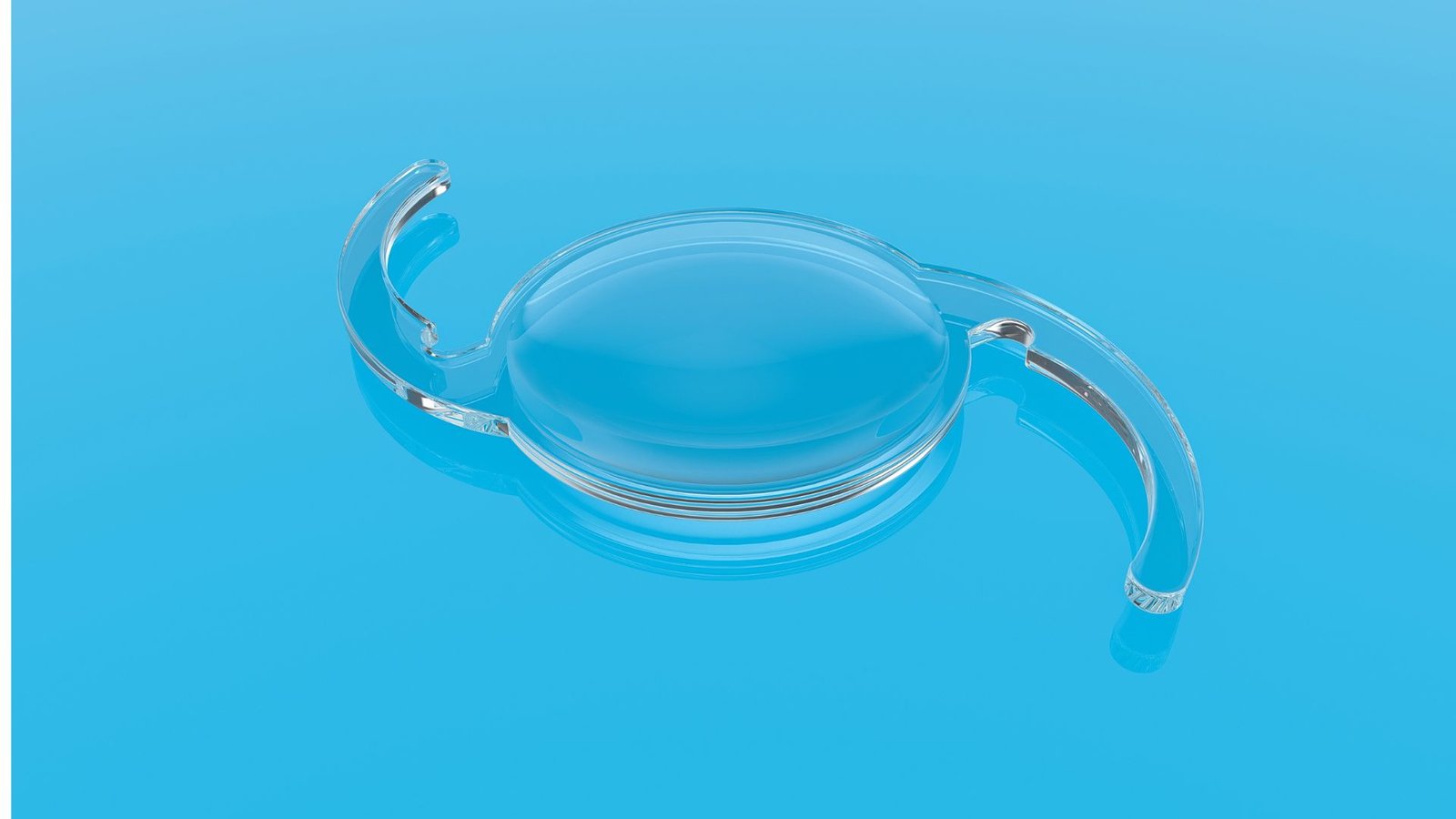
Restoring Vision, Redefining Possibilities: The Expanding Global Intraocular Lens Industry
Intraocular Lens Market Size and Forecast (2026–2034)The Intraocular Lens (IOL) Market was valued at US$ 6.98 billion in 2025 and is projected to reach US$ 12.58 billion by 2034, growing at a Compound Annual Growth Rate (CAGR) of 6.76% from 2026 to 2034.The steady rise in market value is primarily driven by the increasing global burden of cataracts, a rapidly aging population, and rising demand for advanced and premium intraocular lenses that offer enhanced visual outcomes.As vision correction technologies continue to evolve, intraocular lenses are becoming more sophisticated, customizable, and widely accessible—transforming cataract surgery from a restorative procedure into a premium refractive solution.Intraocular Lens Market OutlookAn intraocular lens (IOL) is a small artificial lens implanted inside the eye during cataract surgery to replace the clouded natural lens. Cataracts, which cause progressive vision loss, remain one of the leading causes of blindness worldwide.Beyond cataract surgery, IOLs are increasingly used in refractive...
-
.jpg)
Cryo Electron Microscopy Advancing Structural Biology Research
Future of Executive Summary Cryo-Electron Microscopy Market: Size and Share DynamicsThe global cryo-electron microscopy market size was valued at USD 1.30 billion in 2024 and is expected to reach USD 3.98 billion by 2032, at a CAGR of 14.99% during the forecast periodThe Cryo-Electron Microscopy business document lists and studies the leading competitors and also provides the insights with strategic industry analysis of the key factors influencing the market dynamics. This market research report provides granular analysis of the market share, segmentation, revenue forecasts, and geographic regions of the market. The report comprises a professional and in-depth study on the current state, which focuses on the major drivers and restraints for the key players. The influential Cryo-Electron Microscopy Market analysis report takes into account several key manufacturers, which are based on company profile, sales data, product specifications,, etc.A winning Cryo-Electron Microscopy Market report all-inclusively estimates general market conditions, the growth...
-
Blood-Based Breakthroughs: Competitive Dynamics Shaping the Global Liquid Biopsy Market
Global Liquid Biopsy Market AnalysisThe global Liquid Biopsy Market is projected to expand significantly from US$ 4.29 Billion in 2024 to approximately US$ 15.46 Billion by 2033, registering a strong CAGR of 15.30% between 2025 and 2033. This remarkable growth trajectory highlights the increasing adoption of minimally invasive cancer diagnostics and the rising demand for precision medicine solutions worldwide.Liquid biopsy technology allows clinicians to detect cancer-related biomarkers such as circulating tumor cells (CTCs), circulating tumor DNA (cfDNA), and exosomes through a simple blood sample. Unlike traditional surgical biopsies, this method offers reduced risk, improved patient comfort, and the ability to monitor disease progression in real time. As cancer incidence continues to rise globally, healthcare systems are increasingly embracing liquid biopsy for early detection, treatment monitoring, and therapy selection.Download Free Sample Report:https://www.renub.com/request-sample-page.php?gturl=liquid-biopsy-market-competitive-landscape-p.phpMarket Overview: The Evolution of Non-Invasive Oncology DiagnosticsThe liquid biopsy market is gaining momentum due to its clinical efficiency and...
-
.jpg)
Consumer IoT Accelerating Smart Connected Living
Executive Summary Consumer Internet of Things (IoT) Market Size and Share Across Top SegmentsData Bridge Market Research analyses that the consumer internet of things (IoT) market which was USD 5,519.65 million in 2022, is expected to reach USD 287,15.32 million by 2030, and is expected to undergo a CAGR of 17.93% during the forecast period. This indicates that the market value. “Hardware” dominates the type segment of the consumer internet of things (IoT) market owing to the high demand of this type in the market. In addition to the market insights such as market value, growth rate, market segments, geographical coverage, market players, and market scenario, the market report curated by the Data Bridge Market Research team includes in-depth expert analysis, import/export analysis, pricing analysis, production consumption analysis, and pestle analysis.Analysis and discussion of important industry trends, market size, and market share are estimated in the Consumer Internet of Things...
-
.jpg)
Coconut Water and Milk Rising in Plant Based Beverages
In-Depth Study on Executive Summary Coconut Water and Milk Market Size and ShareThe global coconut water and milk market size was valued at USD 15.14 billion in 2024 and is expected to reach USD 51.04 billion by 2032, at a CAGR of 16.40% during the forecast periodAll statistical and numerical data is interpreted with the use of established and advanced tools such as SWOT analysis and Porter's Five Forces Analysis. A few of the prominent features used while generating this keyword market research report include highest level of spirit, practical solutions, committed research and analysis, modernism, integrated approaches, and most up-to-date technology. This Coconut Water and Milk report recognizes and analyzes the emerging trends along with major drivers, challenges, and opportunities in the market. Additionally, businesses can be acquainted with the extent of the marketing problems, reasons for failure of a particular product already in the market, and prospective market...
-
Saving the Smallest Lives: The Expanding Global Neonatal Intensive Care Market
Neonatal Intensive Care Market Size and Forecast 2026–2034The global Neonatal Intensive Care (NIC) Market is poised for substantial expansion over the coming decade. The market is projected to grow from US$ 4.27 billion in 2025 to US$ 7.87 billion by 2034, registering a CAGR of 7.03% during the forecast period 2026–2034.Growth is primarily driven by rising preterm birth rates, increasing neonatal complications, expanding healthcare spending, and continuous technological advancements in patient monitoring systems, respiratory care equipment, incubators, and thermal regulation devices. Enhanced awareness regarding infant survival outcomes and improved access to specialized neonatal services are further accelerating market momentum.Neonatal Intensive Care Market OverviewNeonatal Intensive Care refers to specialized medical care provided to premature infants, low birth weight newborns, and babies born with congenital disorders, infections, or critical health conditions. These services are delivered in Neonatal Intensive Care Units (NICUs), which are equipped with advanced life-support technologies and highly trained healthcare...