Reverse Logistics Optimizing Sustainable Return and Resource Managemen
.jpg)
Latest Insights on Executive Summary Reverse Logistics Market Share and Size
The global reverse logistics market size was valued at USD 737.28 billion in 2024 and is projected to reach USD 1,114.45 billion by 2032, with a CAGR of 5.3% during the forecast period of 2025 to 2032.
The Reverse Logistics Market report is the best to know the trends and opportunities in Reverse Logistics Market The forecast, analysis, evaluations, and estimations carried out in this Reverse Logistics report are all based upon the well-established tools and techniques such as SWOT analysis and Porter’s Five Forces analysis. These are the authentic tools used in market analysis on which businesses can trust confidently. This Reverse Logistics Market report brings into focus a plentiful number of factors, such as the general market conditions, trends, inclinations, key players, opportunities, and geographical analysis, which all aid in taking your business towards growth and success.
This Reverse Logistics Market report also estimates the growth rate and the market value based on market dynamics and growth inducing factors. It is a well-versed fact that competitive analysis is the major aspect of any market research report and hence many points are covered under this, including strategic profiling of key players in the market, analyse core competencies of key players, and drawing a competitive landscape for the market. This global Reverse Logistics business report has been built with the careful efforts of an innovative, enthusiastic, knowledgeable, and experienced team of analysts, researchers, industry experts, and forecasters.
Dive into the future of the Reverse Logistics Market with our comprehensive analysis. Download now:
https://www.databridgemarketresearch.com/reports/global-reverse-logistics-market
Reverse Logistics Business Outlook
Segments
- Based on return type, the global reverse logistics market can be segmented into recalls, commercial returns, repairable returns, end-of-use returns, and end-of-life returns. Recalls are products that are returned due to safety concerns or defects, while commercial returns consist of products returned by consumers for various reasons such as dissatisfaction or damage. Repairable returns include products that can be fixed and resold, while end-of-use returns are products that are returned after their intended use. End-of-life returns involve products that are at the end of their lifecycle and need proper disposal or recycling.
- By end-use, the market can be categorized into ecommerce, automotive, pharmaceutical, consumer electronics, and others. The ecommerce sector has been witnessing significant growth in reverse logistics due to the rise in online shopping and the need for efficient return processes. Automotive companies often deal with reverse logistics for returning defective parts or managing end-of-life vehicles. The pharmaceutical industry faces challenges like product recalls and expired medicines, requiring robust reverse logistics processes.
Market Players
- Some of the key players in the global reverse logistics market include FedEx Corporation, United Parcel Service of America, Inc., The Deutsche Post AG (DHL Group), C.H. Robinson Worldwide, Inc., and Kuehne + Nagel International AG. These companies offer a range of reverse logistics services such as product returns management, refurbishment, recycling, and disposal. Additionally, third-party logistics providers like XPO Logistics, Inc. and Ryder System, Inc. play a significant role in facilitating reverse logistics for various industries. Technology providers such as Oracle Corporation and SAP SE offer software solutions to streamline reverse logistics operations.
The global reverse logistics market is anticipated to witness substantial growth in the coming years driven by various factors. One of the emerging trends in the market is the increasing adoption of technology to enhance reverse logistics processes. With the advancements in automation, artificial intelligence, and data analytics, companies are able to streamline their reverse logistics operations, improve visibility, and reduce costs. Additionally, the growing emphasis on sustainability and environmental concerns is directing companies towards more efficient waste management and recycling practices within their reverse logistics operations. This shift towards eco-friendly practices is not only driven by regulatory requirements but also by consumer preferences for sustainable products and services.
Moreover, the rise of e-commerce platforms and the booming online shopping trend have propelled the demand for reverse logistics services. As consumers continue to enjoy the convenience of purchasing goods online, there is a corresponding increase in product returns, leading to a surge in reverse logistics activities. To address this challenge, companies are leveraging technology solutions to optimize return processes, reduce turnaround times, and enhance customer satisfaction. The integration of digital platforms and mobile applications has enabled smoother communication between customers, retailers, and logistics providers, resulting in faster and more efficient return handling.
Furthermore, the COVID-19 pandemic has had a significant impact on the reverse logistics market. The disruptions caused by the global health crisis have highlighted the importance of robust supply chain systems, including efficient reverse logistics mechanisms. As companies navigate through supply chain challenges such as inventory management, product returns, and logistics disruptions, the role of reverse logistics in ensuring business continuity and resilience has become more pronounced. Organizations are now focusing on building agile and responsive reverse logistics networks to mitigate risks and adapt to changing market conditions.
In conclusion, the global reverse logistics market is expected to witness substantial growth driven by technological advancements, sustainability initiatives, e-commerce trends, and the impact of the COVID-19 pandemic. Companies that invest in innovative solutions, strategic partnerships, and sustainable practices will be well-positioned to capitalize on the opportunities presented by the evolving reverse logistics landscape. The market players mentioned earlier, along with new entrants and niche service providers, are likely to spearhead this transformative journey towards efficient, sustainable, and customer-centric reverse logistics operations.The global reverse logistics market is experiencing significant growth and transformation, driven by several key factors shaping the industry landscape. The increased adoption of technology is revolutionizing reverse logistics processes, enabling companies to enhance efficiency, visibility, and cost savings. Automation, artificial intelligence, and data analytics play crucial roles in optimizing operations and meeting the evolving demands of consumers and regulatory bodies. As companies strive to streamline their reverse logistics functions, focus on sustainability and environmental concerns is also on the rise. The push for eco-friendly waste management and recycling practices is not only driven by regulations but also by changing consumer preferences for sustainable products and services.
E-commerce has emerged as a major driver of growth in the reverse logistics market, with online shopping trends fueling the demand for efficient return processes. The convenience of e-commerce has led to increased product returns, necessitating companies to invest in technology solutions for managing returns effectively and improving customer satisfaction. The integration of digital platforms and mobile applications has facilitated seamless communication between stakeholders in the supply chain, leading to quicker and more effective handling of returns.
The COVID-19 pandemic has brought about significant disruptions across industries, emphasizing the importance of resilient supply chain systems, including robust reverse logistics mechanisms. Companies are now prioritizing agile and responsive reverse logistics networks to navigate the challenges posed by the crisis and ensure business continuity. The pandemic has underscored the critical role of reverse logistics in mitigating risks, managing inventory, and addressing logistics disruptions, driving organizations to invest in adaptive strategies for a post-pandemic world.
In conclusion, the global reverse logistics market is poised for substantial growth, driven by a confluence of factors such as technological advancements, sustainability initiatives, e-commerce trends, and the aftermath of the COVID-19 pandemic. Companies that embrace innovation, forge strategic partnerships, and adopt sustainable practices will thrive in the evolving landscape of reverse logistics. Key market players and emerging entrants are expected to lead the way in reshaping the industry towards efficient, sustainable, and customer-centric reverse logistics operations. The future of reverse logistics lies in proactive adaptation to changing market dynamics and leveraging opportunities for growth and differentiation.
Analyze detailed figures on the company’s market share
https://www.databridgemarketresearch.com/reports/global-reverse-logistics-market/companies
Reverse Logistics Market – Analyst-Ready Question Batches
- What is the current demand volume of the Reverse Logistics Market?
- How is the market for Reverse Logistics expected to evolve in the next decade?
- What segmentation criteria are applied in the Reverse Logistics Market study?
- Which players have the highest market share in the Reverse Logistics Market?
- What regions are assessed in the country-level analysisfor Reverse Logistics Market?
- Who are the top-performing companies in the Reverse Logistics Market?
Browse More Reports:
Global Industrial Sensor Market
North America Automated Border Control Market
Global Sterilization Services Market
Global Odontogenic Sarcoma Treatment Market
Global Artificial Intelligence In Ultrasound Imaging Market
Global Workplace Transformation Market
Global Poultry Vaccines Market
Asia-Pacific Programmable Logical Controllers Automation Market
Global Compression Wear and Shapewear Market
Global Welding Materials Market
Global Pertussis Treatment Market
Indonesia At-Home Testing Kits Market
Global Animal Wound Care Market
About Data Bridge Market Research:
An absolute way to forecast what the future holds is to comprehend the trend today!
Data Bridge Market Research set forth itself as an unconventional and neoteric market research and consulting firm with an unparalleled level of resilience and integrated approaches. We are determined to unearth the best market opportunities and foster efficient information for your business to thrive in the market. Data Bridge endeavors to provide appropriate solutions to the complex business challenges and initiates an effortless decision-making process. Data Bridge is an aftermath of sheer wisdom and experience which was formulated and framed in the year 2015 in Pune.
Contact Us:
Data Bridge Market Research
US: +1 614 591 3140
UK: +44 845 154 9652
APAC : +653 1251 975
Email:- corporatesales@databridgemarketresearch.com
"
Comments
You must be logged in to comment.
Latest Articals
-

Text Analytics Market Opportunities: Emerging Segments and Competitive Edge
The Text Analytics Market is undergoing a transformative phase, propelled by rapid advancements in artificial intelligence, natural language processing, and machine learning technologies. According to The Insight Partners' comprehensive market analysis, the industry is expected to reach US$29.53 billion by 2031, registering a robust compound annual growth rate of 18.1% during the forecast period from 2025 to 2031.Market Overview and SegmentationText analytics has emerged as a critical tool for organizations seeking to extract meaningful insights from vast amounts of unstructured data. The market is segmented across multiple dimensions including deployment type, technology, application, and industry vertical. Cloud-based deployment is gaining significant traction due to its scalability, cost-effectiveness, and ease of integration, while on-premise solutions continue to serve organizations with stringent data security requirements.From a technology perspective, the market encompasses Natural Language Processing (NLP), Advanced Machine Learning (AML), and hybrid solutions that combine multiple approaches. NLP remains the cornerstone technology, enabling...
-
.jpeg)
Media Production Company in Dubai: Delivering Excellence in Animation and Video Production
The current requirements for digital content creation necessitate businesses to produce exceptional visual materials because standard visual content now lacks sufficient value. Businesses need professional storytelling abilities to connect with their customers while a media production company in dubai partnership with a Dubai-based company provides brands customized video and animation solutions that meet their specific requirements. Video production enables businesses to create their ideas through visual content which effectively attracts viewers and delivers enduring results from the presentation. The establishment of professional 3d animation company Dubai has brought about a new approach to content creation. The studios use advanced animation technology together with their creative storytelling methods to create videos that display impressive visual effects and maintain strong viewer interest. The leading Dubai studios develop each project through strategic design which effectively delivers brand messages in precise and clear ways.Why Businesses Need a Media Production Company in DubaiBusinesses need to establish...
-
Expert Compliance Solutions Through Annual Return Consultant
Simplify company and LLP compliance with an annual return consultant ensuring accurate filings, timely submissions, and complete regulatory adherence without unnecessary risks or delays.
-

Cost Breakdown: How Much Does It Take to Build a Sports Betting App?
Launching a Sports Betting App is not just a technical project. It is a strategic business decision that requires careful budgeting, market understanding, and the right development partner. Many entrepreneurs approach a Sports Betting App Development Company with a simple question: how much will it cost? The honest answer is that the investment depends on several moving parts, including software complexity, compliance requirements, platform choice, and long-term scalability.Below is a detailed explanation using the core areas that directly impact the cost of building a betting platform.The Investment Behind a Betting PlatformThe cost of building a Sports Betting App varies depending on how advanced and feature-rich the platform needs to be. A basic version with essential betting features, user registration, wallet integration, and a simple admin panel may start from 25,000 to 50,000 dollars. This is often suitable for startups testing the market.A mid-level platform that includes live betting, real-time odds...
-
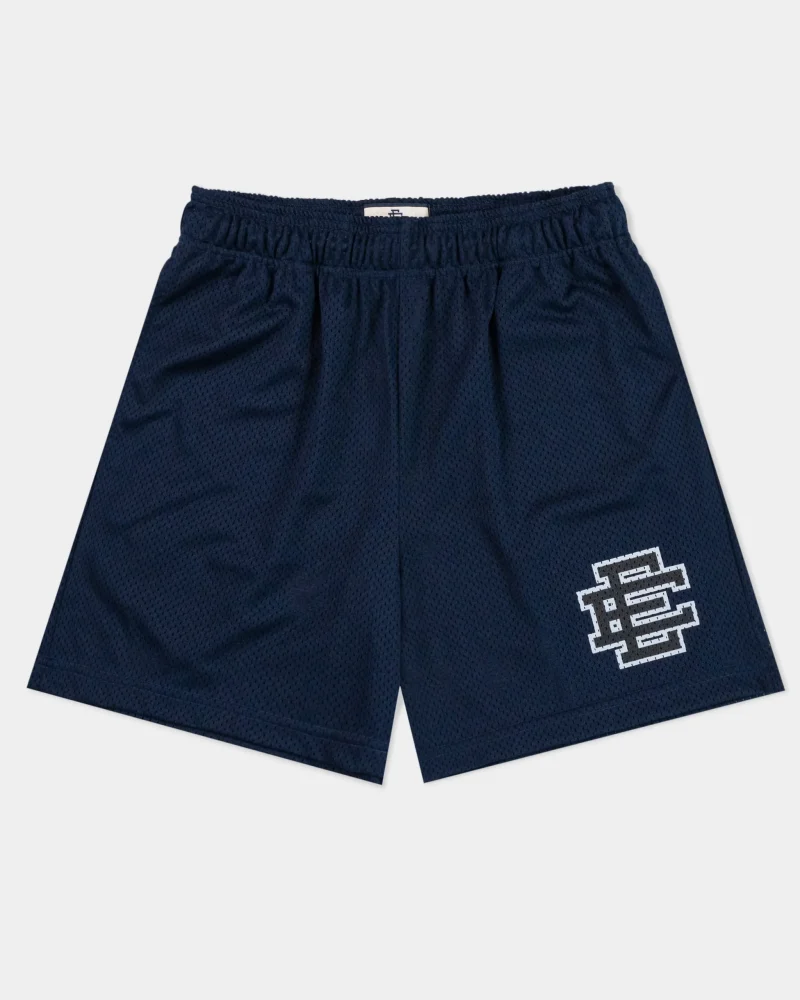
EE Shorts Signature Fit Mesh Street Shorts
Urban fashion continues to evolve, blending performance wear with everyday street style. The EE Shorts Signature Fit Mesh Street Shorts are designed to represent this modern movement by combining breathable athletic materials with a bold streetwear aesthetic. These shorts are perfect for individuals who want comfort, flexibility, and trend-driven style in one versatile design.Premium Mesh Fabric for Breathable PerformanceThe core feature of the Signature Fit Mesh Street Shorts is the high-quality mesh fabric. This lightweight material allows continuous airflow, helping the body stay cool during warm weather and active movement. The mesh construction also provides a soft and smooth feel against the skin, offering long-lasting comfort throughout the day. Whether walking through the city or engaging in light activity, these shorts support breathable performance.Signature Fit Designed for Modern MovementFit plays a major role in comfort and style. These shorts are designed with a signature cut that balances a relaxed feel...
-
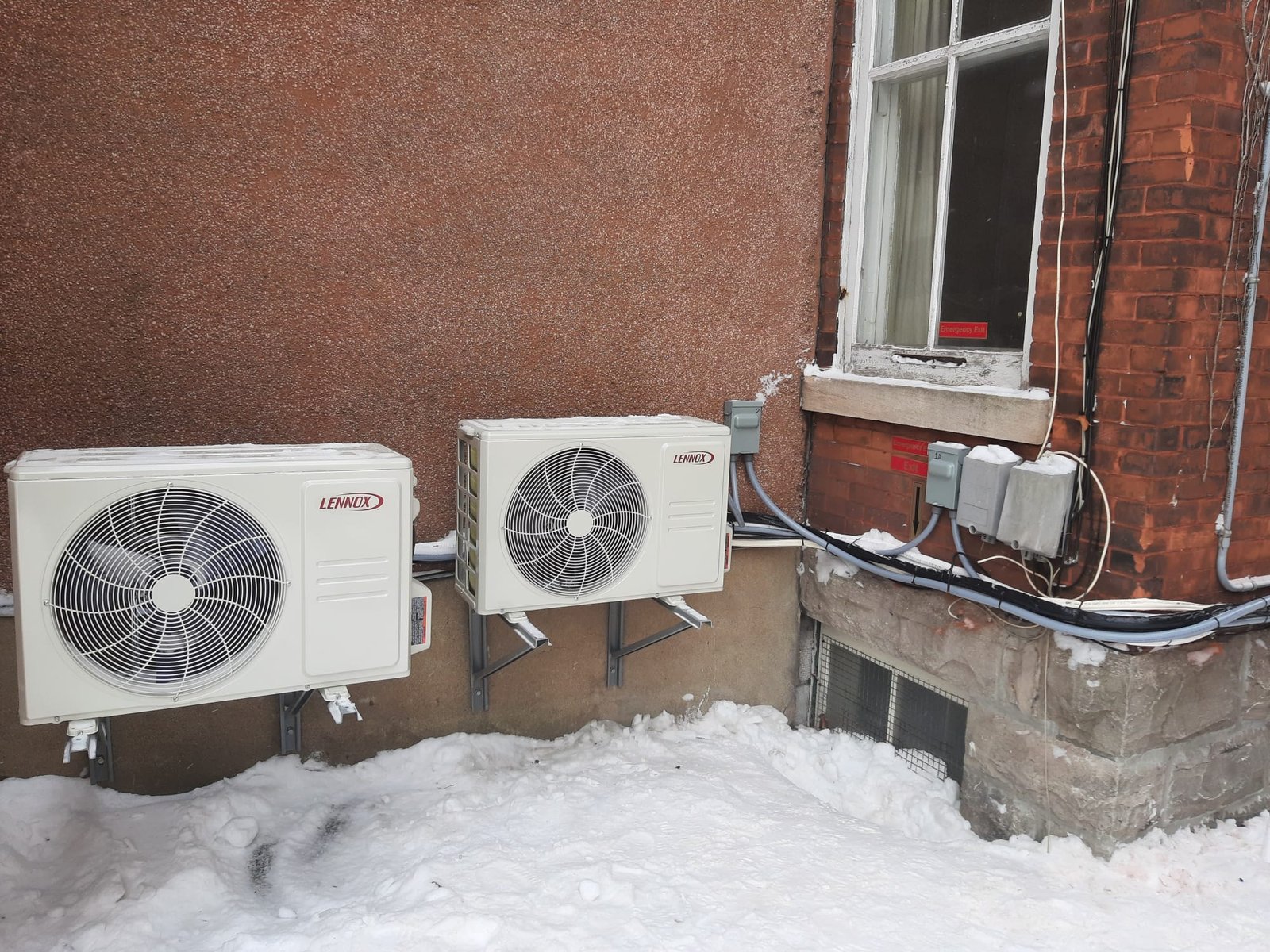
Ductless heating and cooling: Smart comfort for modern homes
In today’s changing world of home comfort, ductless systems have become an attractive, energy-efficient solution for a conditioning system that fits your needs at the very moment you need it. Ductless systems are unlike traditional systems, which use bulky ductwork to distribute conditioned air, but instead use thin copper tubing to pump refrigerant directly from an outdoor condenser into an indoor air-handling unit. This enables zoned temperature control, so homeowners can warm or cool certain rooms without expending energy on rooms not in use.How ductless systems workDuctless heating and cooling systems, also known as mini-splits, are essentially made up of two parts: an outdoor condenser and an indoor air-handling unit. Refrigerant lines join these systems, allowing for the exchange of heat for both heating and cooling. Ductless systems require no ducts, so they don’t experience the same energy loss that some 30% of a central system suffers due to air...