Global Unified Retail Commerce Platform Market Forecast 2025–2032: Dri

The global unified retail commerce platform market size was valued at USD 1,204.20 billion in 2024 and is projected to grow from USD 1,510.79 billion in 2025 to USD 7,608.61 billion by 2032, exhibiting a CAGR of 25.83% during the forecast period.
Executive Summary
The Unified Retail Commerce Platform (URCP) Market is entering a decisive growth phase as retailers of all sizes consolidate point solutions into end-to-end, cloud-native platforms that unify product, price, promotion, inventory, order management, fulfillment, and customer engagement across channels. According to industry assessments (including Kings Research frameworks and datasets), the market is poised for strong expansion over the forecast horizon, underpinned by omnichannel shopping behaviors, the modernization of store systems, and a step-change in AI/ML adoption for merchandising and marketing. Vendors that deliver open architectures, composable services, and resilient real-time data will gain share as retailers prioritize total cost of ownership (TCO), time-to-value, and business agility.
Market Overview
A Unified Retail Commerce Platform integrates core commerce capabilities into a single, coherent stack:
- Product & catalog management with centralized pricing and promotions
- OMS (Order Management System) with distributed order orchestration
- Inventory visibility across stores, DCs, drop-ship partners, and 3PLs
- Store commerce (POS, clienteling, mobile checkout, endless aisle)
- Digital commerce (web, app, marketplaces, social commerce)
- Marketing & personalization (CDP, segmentation, recommendations)
- Service & loyalty (case management, returns, exchanges, rewards)
- Analytics & AI (forecasting, allocation, automation, and insights)
Retailers are accelerating platform consolidation to remove data silos, enable channel-agnostic experiences, and streamline operations—from buy online, pick up in store (BOPIS) and ship-from-store, to curbside pickup and same-day delivery. This shift reflects a structural move from channel-centric retail to unified commerce that treats the customer, order, and inventory as shared, real-time entities.
Unlock Key Growth Opportunities: https://www.kingsresearch.com/unified-retail-commerce-platform-market-2661
Key Companies in Unified Retail Commerce Platform Market:
- Salesforce, Inc.
- Oracle
- SAP SE
- Adobe
- Microsoft
- IBM
- Infosys Limited
- HCL Technologies Limited
- Tata Sons Private Limited
- Cegid
- Shopify
- Stripe, Inc.
- Block, Inc.
- VeriFone, Inc.
- Lightspeed
Key Growth Drivers
- Omnichannel Normalization: Consumers fluidly mix digital discovery with store fulfillment. Unified platforms support consistent pricing, inventory, and promotions end-to-end.
- Store Modernization: Mobile POS, clienteling, and self-checkout require real-time inventory and order orchestration to deliver on endless-aisle promises.
- AI & Data Leverage: Retailers invest in predictive demand planning, dynamic pricing, content personalization, and automated marketing journeys to lift conversion and margin.
- Composable Commerce: API-first architectures allow best-fit services (e.g., payments, search, tax) to plug in without compromising end-to-end coherence.
- Operational Efficiency: Unified workflows reduce manual reconciliation, lower integration costs, and accelerate feature delivery cycles.
- Fulfillment Economics: Accurate inventory and smart routing minimize split shipments, reduce last-mile costs, and improve SLA compliance.
- Regulatory & Security Pressure: Built-in compliance, fraud controls, and observability favor platforms with proven reliability and governance.
Emerging Trends
- Headless & Composable UX: Separation of front-end experiences from back-end commerce services for rapid experimentation and localization.
- Real-Time Inventory Everywhere: Near-instant availability checks inform search, PDP, store apps, and call centers.
- Unified Cart & Payments: Persistent cart and cross-channel tendering (buy in app, return in store; gift cards/points anywhere).
- Retail Media Integration: On-site/ off-site ad placements and closed-loop measurement tie directly into product, pricing, and inventory.
- GenAI Assistants: Content generation (PIM copy, imagery variants), AI agents for service, and automated assortment enrichment.
- Sustainability & Returns Intelligence: Smarter reverse logistics, disposition routing, and circular flows (resale, refurbishment).
- Marketplace & Drop-Ship Expansion: Unified vendor onboarding, catalog normalization, and SLA monitoring inside core OMS.
Market Dynamics
Drivers
- Unified customer view and loyalty portability
- Need for speed in launching new channels and markets
- Cloud elasticity aligned to peak retail periods
Restraints
- Legacy technical debt and migration complexity
- In-store connectivity constraints impacting real-time promises
- Change-management and training requirements for associates
Opportunities
- Tier-2/3 retailers moving from point solutions to platforms
- Verticalized templates (grocery, fashion, DIY, beauty) reducing time-to-value
- AI-driven markdown optimization and demand sensing improving gross margin
Challenges
- Data quality and master-data governance across large assortments
- Consistent privacy/consent handling across touchpoints
- Multi-geo tax, payments, and compliance at scale
Segmentation
By Component
- Platform Core: OMS, inventory, pricing/promotions, catalog/PIM, POS
- Experience & Engagement: eCommerce, apps, CMS, CDP, personalization, loyalty
- Operations & Analytics: forecasting, allocation, labor, store ops, analytics
- Services: implementation, managed services, change-management, training
By Deployment
- Cloud-Native (SaaS/PaaS): Rapid updates, elastic scaling, lower ops burden
- Hybrid: Cloud services with on-prem store nodes for offline resilience
- On-Prem Modernized: For regulated or latency-sensitive environments
By Retail Format
- Grocery & Convenience (fresh inventory, micro-fulfillment, substitutions)
- Fashion & Specialty (clienteling, returns optimization, styling)
- Electronics & Hardlines (complex catalogs, warranties, services)
- Home & DIY (BOPIS, bulky item logistics, project bundles)
- Health & Beauty (regulatory data, subscriptions, loyalty)
- Department & Mass Merchandisers (scale, marketplace, retail media)
By Enterprise Size
- Large Enterprises: Global rollouts, marketplace integration, retail media
- Mid-Market: Packaged templates, lower TCO, accelerated launches
- SMBs: Bundled store + digital commerce, simplified OMS, managed updates
By Application
- Order orchestration & fulfillment, store mobility & POS, unified promotions, customer data & loyalty, analytics & AI, marketplace/drop-ship management
Regional Analysis
North America
- Mature adoption of omnichannel with strong BOPIS/SFS penetration.
- High investment in retail media, payment innovation, and same-day logistics.
- Competitive landscape includes enterprise suites and composable specialists.
Europe
- Emphasis on privacy, security, and sustainability.
- Growth in grocery quick-commerce integrations and cross-border VAT handling.
- Fashion/specialty segments prioritize clienteling and returns optimization.
Asia Pacific
- Fastest platform upgrades driven by mobile-first shoppers and social commerce.
- Super-apps, live shopping, and marketplace integrations are critical.
- Local payment and super-fast fulfillment expectations shape feature roadmaps.
Latin America
- Rapid eCommerce growth with focus on payments, fraud, and logistics resiliency.
- Marketplaces and cross-border enablement are key to assortment expansion.
Middle East & Africa
- Greenfield modern store systems and mall-centric retail ecosystems.
- Demand for Arabic localization, regional payments, and high-end clienteling.
Strategic Moves Observed
- Expansion of unified pricing/promo across channels
- AI copilots for merchandisers, marketers, and store associates
- Marketplace and drop-ship modules added to core suites
- Partnerships with last-mile providers and payments orchestration platforms
Use Cases & Business Impact
- Unified Checkout & Returns: Buy in app, return in store with instant refund; loyalty points accrue and redeem anywhere.
- Endless Aisle: Associates sell out-of-stock items with ship-to-home; real-time ATP prevents cancellations.
- Smart Fulfillment: OMS selects the optimal node based on SLA, cost, and inventory aging, improving on-time delivery and cutting shipping costs.
- Personalized Journeys: CDP-powered segments activate product recommendations and targeted offers to lift AOV and conversion.
- Store Mobility: Mobile POS and clienteling reduce queues and increase conversion through assisted selling.
- Returns Intelligence: Rules steer returns to refurbish/resell paths, lowering waste and restoring margin.
Buyer Considerations & RFP Checklist
- Architecture: API-first, event-driven, and microservices where it matters; real-time streams for inventory and orders.
- Extensibility: App marketplace, SDKs, and low-code tooling for custom logic.
- Data & AI: Native CDP, identity resolution, and model governance; support for retailer-owned models and data residency.
- Store Resiliency: Offline mode, local queueing, and rapid sync on reconnection.
- Global Readiness: Multi-currency, tax/VAT, localized content, and multi-entity support.
- Security & Compliance: PCI DSS, SOC 2/ISO 27001, consent management, and audit trails.
- TCO & Commercials: Transparent pricing across channels and stores; managed services and SLAs aligned to peak seasons.
- Roadmap & Community: Clear cadence of releases, partner ecosystem depth, and references in your retail vertical.
Implementation Best Practices
- Phased Rollouts: Start with OMS + inventory visibility and move to unified pricing/promo and store mobility.
- Data Foundation First: Clean product, price, and customer data; establish MDM and golden records.
- Change Management: Train associates, create playbooks, and align incentives to omnichannel KPIs.
- Measure What Matters: Track fill rate, promise accuracy, order cycle time, return rate, NPS, and omni-margin—not just web conversion.
- SRE & Observability: Monitor events, queues, and APIs with clear on-call processes for peak events (holiday, festivals, regional sales).
Opportunities by Retail Segment
- Grocery: Substitution intelligence, micro-fulfillment orchestration, and temperature-controlled last-mile tracking.
- Fashion: Size/fit guidance, appointment-based clienteling, and advanced returns workflows.
- Electronics: Attach-rate optimization (warranty, services), marketplace accessories, and in-home installation scheduling.
- Home & DIY: Project-bundled carts, bulk delivery windows, and pro-account tiering.
- Beauty: Membership and sampling programs integrated with dermatology-safe product data.
Risks and Mitigations
- Integration Overload → Favor pre-built connectors and event hubs; prioritize crawl-walk-run sequencing.
- Underestimated Store Readiness → Pilot with a diverse set of stores; invest in associate devices and Wi-Fi.
- Data Drift → Establish quality rules, anomaly detection, and stewardship roles early.
- Vendor Lock-In → Choose platforms with exportable data, open APIs, and clear exit paths.
Outlook
The next cycle of retail technology investment will reward unified, real-time platforms that transcend channel constraints. Retailers adopting composable yet coherent stacks—anchored by dependable OMS, accurate inventory, unified pricing, and intelligent engagement—will outperform on conversion, fulfillment cost, and customer lifetime value. Providers that demonstrate measurable improvements in omni-margin and promise accuracy, rather than feature checklists alone, will define category leadership.
Key Takeaways (Bulleted Format)
- Unified platforms are displacing fragmented point solutions as retailers scale omnichannel.
- Real-time data for inventory and orders is now a baseline expectation across touchpoints.
- AI/ML is shifting from pilots to production in pricing, forecasting, and personalization.
- Composable commerce balances speed of innovation with end-to-end governance.
- Regional nuances (payments, logistics, privacy) shape platform roadmaps and partner choices.
- Success metrics should emphasize omni-margin, promise accuracy, and fulfillment efficiency—not channel-siloed KPIs.
Representative Companies (Non-Exhaustive)
- Enterprise/Composable Commerce: Salesforce, Adobe, Shopify, BigCommerce, commercetools, Elastic Path, VTEX, Spryker
- OMS & Supply Chain: Manhattan Associates, Blue Yonder, Fluent Commerce, IBM Sterling
- Store Systems & POS: NCR Voyix, Toshiba Global Commerce Solutions, Oracle Retail, Aptos, Lightspeed, NewStore
- CDP/Personalization & Search: Twilio Segment, Bloomreach, Algolia, Dynamic Yield
- Integration & Data: MuleSoft, Boomi, Informatica
- Modular/Open-Source: Openbravo, Odoo, Shopware
About the Methodology
This press release applies established market-sizing and qualitative assessment frameworks commonly used by Kings Research and industry analysts, integrating practitioner interviews, vendor briefings, and technology stack reviews. It emphasizes platform convergence, architectural patterns, and operational KPIs that correlate with measurable business outcomes in unified commerce programs.
Media Contact
Research & Insights Desk — Unified Commerce Practice
For inquiries about this release, custom cuts by region or retail vertical, or to request a detailed market model and vendor comparison, please contact your account representative.
Browse Related Article:
AI Game Masters: How Japan’s Studios Are Designing Adaptive Game Worlds
Generative AI for HR: From Resumes to Retention Models
The Rise of Synthetic Audiences: How AI Will Redefine Market Research
Comments
You must be logged in to comment.
Latest Articals
-

Text Analytics Market Opportunities: Emerging Segments and Competitive Edge
The Text Analytics Market is undergoing a transformative phase, propelled by rapid advancements in artificial intelligence, natural language processing, and machine learning technologies. According to The Insight Partners' comprehensive market analysis, the industry is expected to reach US$29.53 billion by 2031, registering a robust compound annual growth rate of 18.1% during the forecast period from 2025 to 2031.Market Overview and SegmentationText analytics has emerged as a critical tool for organizations seeking to extract meaningful insights from vast amounts of unstructured data. The market is segmented across multiple dimensions including deployment type, technology, application, and industry vertical. Cloud-based deployment is gaining significant traction due to its scalability, cost-effectiveness, and ease of integration, while on-premise solutions continue to serve organizations with stringent data security requirements.From a technology perspective, the market encompasses Natural Language Processing (NLP), Advanced Machine Learning (AML), and hybrid solutions that combine multiple approaches. NLP remains the cornerstone technology, enabling...
-
.jpeg)
Media Production Company in Dubai: Delivering Excellence in Animation and Video Production
The current requirements for digital content creation necessitate businesses to produce exceptional visual materials because standard visual content now lacks sufficient value. Businesses need professional storytelling abilities to connect with their customers while a media production company in dubai partnership with a Dubai-based company provides brands customized video and animation solutions that meet their specific requirements. Video production enables businesses to create their ideas through visual content which effectively attracts viewers and delivers enduring results from the presentation. The establishment of professional 3d animation company Dubai has brought about a new approach to content creation. The studios use advanced animation technology together with their creative storytelling methods to create videos that display impressive visual effects and maintain strong viewer interest. The leading Dubai studios develop each project through strategic design which effectively delivers brand messages in precise and clear ways.Why Businesses Need a Media Production Company in DubaiBusinesses need to establish...
-
Expert Compliance Solutions Through Annual Return Consultant
Simplify company and LLP compliance with an annual return consultant ensuring accurate filings, timely submissions, and complete regulatory adherence without unnecessary risks or delays.
-

Cost Breakdown: How Much Does It Take to Build a Sports Betting App?
Launching a Sports Betting App is not just a technical project. It is a strategic business decision that requires careful budgeting, market understanding, and the right development partner. Many entrepreneurs approach a Sports Betting App Development Company with a simple question: how much will it cost? The honest answer is that the investment depends on several moving parts, including software complexity, compliance requirements, platform choice, and long-term scalability.Below is a detailed explanation using the core areas that directly impact the cost of building a betting platform.The Investment Behind a Betting PlatformThe cost of building a Sports Betting App varies depending on how advanced and feature-rich the platform needs to be. A basic version with essential betting features, user registration, wallet integration, and a simple admin panel may start from 25,000 to 50,000 dollars. This is often suitable for startups testing the market.A mid-level platform that includes live betting, real-time odds...
-
EE Shorts Signature Fit Mesh Street Shorts
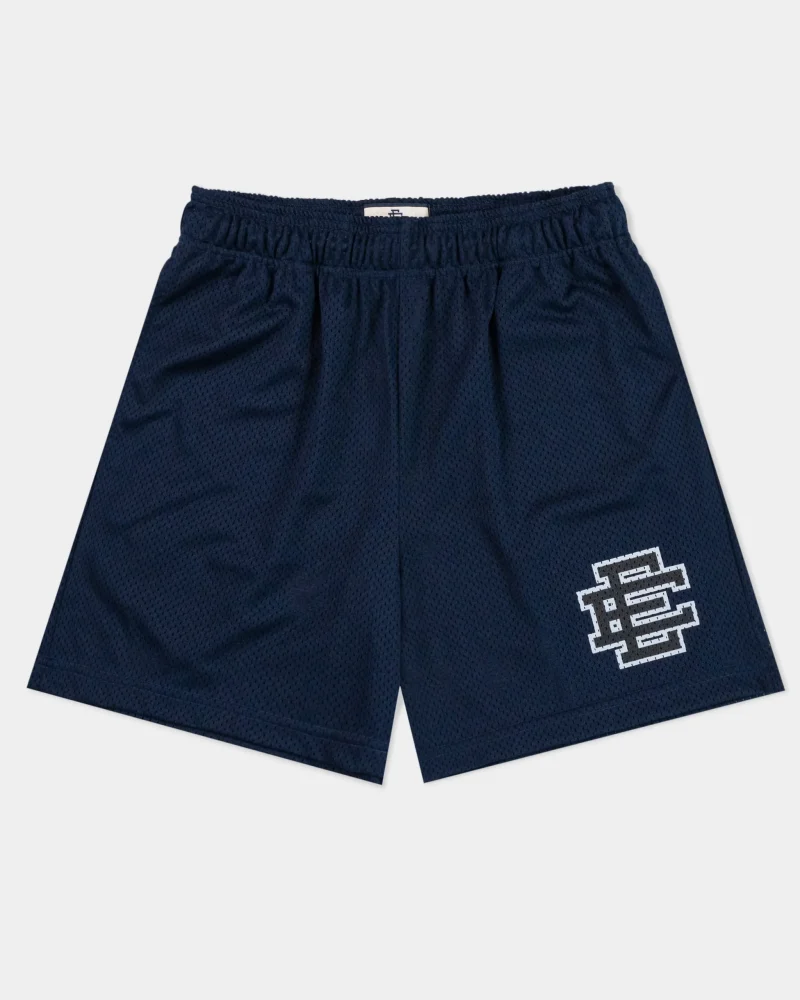
Urban fashion continues to evolve, blending performance wear with everyday street style. The EE Shorts Signature Fit Mesh Street Shorts are designed to represent this modern movement by combining breathable athletic materials with a bold streetwear aesthetic. These shorts are perfect for individuals who want comfort, flexibility, and trend-driven style in one versatile design.Premium Mesh Fabric for Breathable PerformanceThe core feature of the Signature Fit Mesh Street Shorts is the high-quality mesh fabric. This lightweight material allows continuous airflow, helping the body stay cool during warm weather and active movement. The mesh construction also provides a soft and smooth feel against the skin, offering long-lasting comfort throughout the day. Whether walking through the city or engaging in light activity, these shorts support breathable performance.Signature Fit Designed for Modern MovementFit plays a major role in comfort and style. These shorts are designed with a signature cut that balances a relaxed feel...
-

Ductless heating and cooling: Smart comfort for modern homes
In today’s changing world of home comfort, ductless systems have become an attractive, energy-efficient solution for a conditioning system that fits your needs at the very moment you need it. Ductless systems are unlike traditional systems, which use bulky ductwork to distribute conditioned air, but instead use thin copper tubing to pump refrigerant directly from an outdoor condenser into an indoor air-handling unit. This enables zoned temperature control, so homeowners can warm or cool certain rooms without expending energy on rooms not in use.How ductless systems workDuctless heating and cooling systems, also known as mini-splits, are essentially made up of two parts: an outdoor condenser and an indoor air-handling unit. Refrigerant lines join these systems, allowing for the exchange of heat for both heating and cooling. Ductless systems require no ducts, so they don’t experience the same energy loss that some 30% of a central system suffers due to air...