Artificial Insemination Market Expands Due to Advancements in Reproduc

The global artificial insemination market has emerged as a critical segment within the assisted reproductive technology (ART) landscape, driven by rising infertility rates, delayed parenthood, advancements in fertility treatments, and increasing societal acceptance of assisted conception methods. In 2023, the global artificial insemination market size was valued at USD 2,280 million. The market is projected to grow from USD 2,445.1 million in 2024 to USD 4,282.9 million by 2031, registering a compound annual growth rate (CAGR) of 8.34% during the forecast period.
Get Full Detailed PDF Report: https://www.kingsresearch.com/artificial-insemination-market-1222
Artificial insemination is a fertility treatment technique that involves the deliberate introduction of sperm into a woman’s reproductive tract through non-coital means, with the aim of achieving pregnancy. It is widely regarded as one of the least invasive and most cost-effective assisted reproductive procedures, making it a preferred first-line treatment for infertility across multiple patient groups.
Market Overview
Artificial insemination plays a vital role in modern reproductive medicine, particularly for couples experiencing unexplained infertility, mild male factor infertility, cervical factor infertility, or ovulatory disorders. It is also increasingly utilized by single women and same-sex couples seeking conception through donor sperm.
The growing demand for fertility treatments is closely linked to lifestyle changes such as delayed marriages, increased stress levels, obesity, smoking, environmental exposure, and hormonal disorders. Additionally, improvements in sperm processing techniques, ovulation monitoring, and clinical success rates are contributing to the rising adoption of artificial insemination procedures worldwide.
Key Market Drivers
Rising Infertility Rates Worldwide
One of the primary drivers of the artificial insemination market is the increasing prevalence of infertility among both men and women. Factors such as sedentary lifestyles, hormonal imbalances, late pregnancies, chronic diseases, and declining sperm quality have significantly contributed to the growing need for assisted reproductive solutions.
Growing Awareness and Social Acceptance
Public awareness regarding fertility treatments has improved substantially over the past decade. Educational campaigns, social media discussions, and advocacy by healthcare professionals have helped reduce stigma associated with infertility treatments. As a result, artificial insemination is increasingly being accepted as a viable and socially supported option for family planning.
Advancements in Reproductive Technologies
Technological advancements in semen preparation, cryopreservation, ovulation induction, and diagnostic tools have enhanced the safety and effectiveness of artificial insemination procedures. These innovations have improved pregnancy success rates and patient outcomes, driving broader adoption.
Cost-Effectiveness Compared to Advanced ART
Compared to advanced assisted reproductive technologies such as in vitro fertilization (IVF) and intracytoplasmic sperm injection (ICSI), artificial insemination remains significantly more affordable. This cost advantage makes it particularly attractive in developing economies and among patients seeking less invasive fertility solutions.
Market Restraints
Despite strong growth prospects, the artificial insemination market faces certain limitations. Lower success rates compared to IVF in specific patient groups, ethical concerns related to donor sperm usage, and limited reimbursement coverage in some regions may restrain market growth. Additionally, cultural and religious beliefs in certain societies may restrict the adoption of assisted reproductive procedures.
Market Segmentation Analysis
By Type
Intrauterine Insemination (IUI)
Intrauterine insemination holds the largest share of the artificial insemination market. This technique involves placing processed sperm directly into the uterus during ovulation, significantly increasing the chances of fertilization. IUI is widely preferred due to its higher success rate, minimal invasiveness, and suitability for a wide range of infertility conditions.
Intracervical Insemination
Intracervical insemination involves depositing sperm into the cervix and is often considered a simpler procedure. While it is less commonly used than IUI, it remains an option in select clinical scenarios and home-based insemination settings.
Intravaginal Insemination
Intravaginal insemination places sperm inside the vaginal canal, closely mimicking natural conception. Although it has lower success rates compared to other techniques, it is still utilized in cases involving donor sperm and home insemination programs.
Intratubal Insemination
Intratubal insemination is a more specialized technique involving the placement of sperm directly into the fallopian tubes. Due to its invasive nature and limited clinical application, this segment represents a smaller share of the overall market.
By Source
Husband (Artificial Insemination by Husband – AIH)
Artificial insemination using the husband’s sperm accounts for a substantial portion of the market. This method is commonly employed in cases of mild male infertility, erectile dysfunction, or unexplained infertility. AIH is widely accepted and faces fewer ethical or regulatory barriers.
Donor (Artificial Insemination by Donor – AID)
The donor segment is experiencing robust growth due to increasing acceptance among single women, same-sex couples, and couples affected by severe male infertility or genetic disorders. Advances in sperm banking, donor screening, and cryopreservation technologies have further strengthened this segment.
By End-Use
Hospitals
Hospitals represent a key end-use segment, particularly in regions where fertility treatments are integrated into broader reproductive health services. Large hospitals benefit from advanced infrastructure, multidisciplinary expertise, and access to comprehensive diagnostic and treatment facilities.
Fertility Clinics
Fertility clinics dominate the artificial insemination market due to their specialized focus, high patient volumes, and advanced reproductive technologies. These clinics offer personalized treatment plans, shorter waiting times, and higher procedural expertise, making them the preferred choice for many patients.
Regional Analysis
North America
North America holds a significant share of the global artificial insemination market, driven by high infertility prevalence, advanced healthcare infrastructure, and widespread awareness of fertility treatments. The United States leads the region due to favorable reimbursement policies, strong presence of fertility clinics, and ongoing technological advancements.
Europe
Europe represents a mature and well-regulated market for artificial insemination. Supportive government policies, increasing public funding for fertility treatments, and progressive social attitudes contribute to steady market growth. Countries such as the United Kingdom, Germany, France, and Spain are major contributors.
Asia-Pacific
The Asia-Pacific region is expected to witness the fastest growth during the forecast period. Rapid urbanization, rising disposable incomes, delayed childbirth, and improving healthcare access are driving demand for fertility treatments in countries such as China, India, Japan, and South Korea.
Latin America
Latin America is emerging as a promising market due to growing awareness of infertility treatments and expanding private healthcare sectors. Countries such as Brazil, Mexico, and Argentina are witnessing increased adoption of artificial insemination procedures.
Middle East & Africa
The Middle East & Africa region is gradually expanding, supported by improving healthcare infrastructure and growing acceptance of assisted reproductive technologies. However, cultural sensitivities and regulatory constraints may limit market penetration in certain countries.
Competitive Landscape
The artificial insemination market is moderately competitive, with the presence of fertility clinics, hospitals, sperm banks, and medical device manufacturers. Market participants are focusing on expanding service offerings, improving success rates, and enhancing patient experience through technological integration and personalized care models.
Strategic collaborations, geographic expansion, and investments in reproductive research are common strategies adopted by key players to strengthen their market position.
Future Outlook
The global artificial insemination market is expected to experience sustained growth over the coming years, supported by demographic shifts, increasing infertility rates, and technological advancements in reproductive medicine. As societal attitudes continue to evolve and access to fertility care improves, artificial insemination will remain a cornerstone of assisted reproductive treatments worldwide.
The integration of digital health tools, telemedicine consultations, and advanced fertility diagnostics is anticipated to further enhance market growth and patient outcomes during the forecast period.
About Kings Research
Kings Research is a leading market research and consulting firm that provides comprehensive market intelligence and strategic insights to businesses across various industries.
Comments
You must be logged in to comment.
Latest Articals
-
.jpeg)
How Structural Repair Services Can Extend the Life of Your Building
Maintaining the structural integrity of buildings and infrastructure is crucial for safety and longevity. Over time, constructions face challenges such as wear and tear, weather damage, and load stress. Structural repair services play a vital role in ensuring that damaged structures are restored efficiently. These services address problems ranging from minor cracks to major structural failures, allowing buildings to remain safe for occupants and extend their operational life.Understanding Structural DamageStructural damage can occur due to multiple factors including aging, natural disasters, poor construction practices, and water seepage. Ignoring these issues can lead to serious safety hazards. By consulting structural rehabilitation services, property owners can identify hidden weaknesses early. Rehabilitation involves a detailed assessment, evaluating the foundation, columns, beams, and load-bearing walls. Timely intervention prevents minor damages from escalating into costly repairs, making it a crucial part of building maintenance.Importance of Structural Repair ServicesInvesting in structural repair services ensures the safety,...
-

uPVC sliding windows for Durable & Energy-Efficient Homes
A home speaks of its quality, functionality as well as comfort in how well it facilitates comfort, saves energy and stands up to daily wear and tear. That said, uPVC windows have a far greater impact on enhancing this experience than most people realize. From the indoor temperature regulation to keeping outdoor disturbances at bay, the right uPVC window system could very well impact how a place feels and performs, year in and year out.Why Durability and Energy Efficiency MatterModern homes are supposed to do more than just look good; they have to adapt to changing climates, conserve energy, power as well as stay dependable with minimal maintenance. Traditional wooden windows are often constructed with hinges and get damaged when exposed to moisture, temperature fluctuations as well as continuous opening and closing.This is where the sliding uPVC windows are favored over wooden hinged windows for modern homes. Their build, structure...
-

Hedge Fund Carried Interest and Capital Gains Tax: What Investors Should Know
Hedge fund investing offers the potential for attractive returns, but it also involves complex compensation structures and tax considerations. One of the most debated aspects of hedge fund compensation is hedge fund carried interest, particularly how it is taxed compared to ordinary income. Understanding how carried interest works and its relationship to capital gains tax is essential for investors evaluating hedge fund opportunities.What Is Hedge Fund Carried Interest?Hedge fund carried interest refers to the share of profits that hedge fund managers receive as performance-based compensation. Typically, managers earn a management fee—often around 2% of assets under management—and a performance fee, commonly 20% of the fund’s profits. This performance fee is known as carried interest.Carried interest is intended to align the interests of hedge fund managers with those of investors. When the fund performs well, both parties benefit. However, the way this income is taxed has been a subject of ongoing...
-
Where Cities Pause to Breathe: Hyderabad’s Residential Story
A thoughtful look at Hyderabad’s residential evolution, shaped by steady growth, infrastructure planning, and homes designed for everyday life.Cities are not just collections of roads and buildings. They are agreements between people and places. Hyderabad has always understood this quietly. It has allowed its residents to arrive, settle, and stay without asking them to hurry. In this unspoken understanding lies the strength of the city’s residential fabric.Today, discussions around real estate in Hyderabad reveal a market shaped by patience rather than pressure. Buyers are not merely searching for addresses; they are choosing continuity. The city’s residential growth reflects this mindset, offering homes that support long-term living instead of temporary occupation.Why Hyderabad’s Housing Market Feels DifferentHyderabad’s residential stability is not accidental. It is the result of multiple factors working together, each reinforcing the other.Key characteristics shaping the market include:• Economic diversity: IT, pharmaceuticals, manufacturing, and research sectors employ over one million professionals...
-
.jpg)
Fractional CO2 Laser Treatment Recovery and Healing Process
Fractional CO2 laser treatment is a highly effective procedure for skin rejuvenation, acne scar reduction, pigmentation correction, and wrinkle improvement. While it offers impressive results, understanding the recovery and healing process is essential for achieving the best outcomes. By creating microscopic channels in the skin, the treatment stimulates collagen and elastin production, promoting natural repair. Patients who choose Fractional CO2 Laser Treatment in Riyadh benefit from professional guidance during recovery to ensure smooth, safe, and effective healing.What Happens Immediately After the ProcedureImmediately following the session, patients may experience mild redness, swelling, or a warm sensation in the treated areas. Tiny pinpoint scabs or peeling may also appear, which are normal parts of the healing process. These effects usually subside within a few days, depending on the treatment intensity and skin type. Applying recommended ointments or moisturizers and avoiding direct sun exposure is crucial for protecting the skin during this delicate...
-
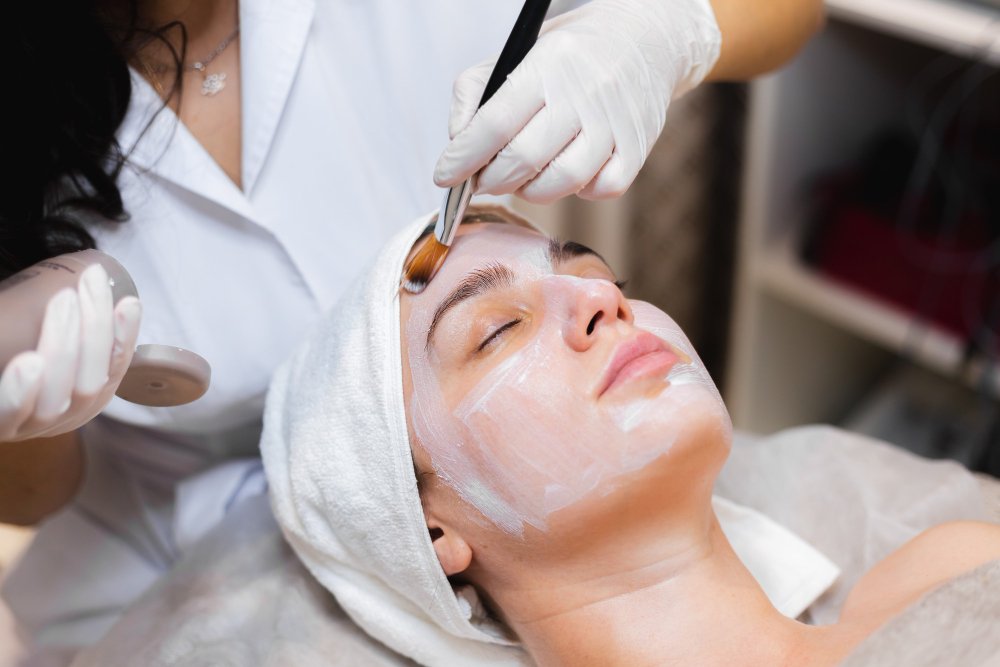
First Visit to a Medical Spa in Atlanta: What to Expect
Visiting a medical spa for the first time can be both exciting and a little intimidating. If you’re considering treatments such as skin rejuvenation, laser procedures, or injectables, knowing what to expect can help you feel confident and prepared. A medical spa Atlanta residents trust combines the relaxation of a traditional spa with advanced medical-grade treatments, all performed under professional supervision.What Is a Medical Spa?A medical spa, also known as a med spa, offers aesthetic treatments that go beyond what a day spa provides. Services are typically overseen by licensed medical professionals, such as physicians, nurse practitioners, or registered nurses. Common treatments at a medical spa Atlanta location may include Botox and dermal fillers, chemical peels, laser hair removal, body contouring, and advanced facials.The environment is designed to be calming and luxurious, while still maintaining strict medical standards for safety and hygiene.Initial Consultation and Skin AssessmentYour first visit to a...