Abrasive Market Growth Driven by Metal Fabrication and Automotive Sect

Abrasive Market Size, Share, Growth & Industry Analysis (2024–2031)
The global abrasive market continues to demonstrate steady and resilient growth, supported by expanding industrial activity, infrastructure development, and rising demand from key end-use sectors such as metalworking, construction, automotive, and aerospace. In 2023, the global abrasive market size was valued at USD 44.32 billion. The market is estimated to reach USD 46.18 billion in 2024 and is projected to expand to USD 63.50 billion by 2031, growing at a compound annual growth rate (CAGR) of 4.65% from 2024 to 2031.
Get Full Detailed PDF Report: https://www.kingsresearch.com/abrasive-market-1243
Abrasives are essential industrial materials used for grinding, polishing, cutting, shaping, and surface finishing across a wide range of applications. Their ability to enhance surface quality, dimensional accuracy, and component performance makes them indispensable in modern manufacturing and construction processes. As industries increasingly focus on productivity, precision, and surface quality, the demand for advanced abrasive products continues to rise.
Market Overview
The abrasive market forms a foundational part of the global manufacturing ecosystem. Abrasive materials are used throughout the lifecycle of products—from raw material processing to final finishing—making them a critical input for numerous industries. Both natural abrasives (such as garnet and emery) and synthetic abrasives (such as aluminum oxide, silicon carbide, and superabrasives) play vital roles in industrial operations.
The market is evolving steadily with technological advancements in abrasive formulations, bonding methods, and coating technologies. Manufacturers are increasingly developing high-performance, application-specific abrasives that improve efficiency, extend tool life, and reduce operational downtime. In parallel, rising investments in infrastructure, automotive production, and aerospace manufacturing are significantly boosting market demand.
Key Market Drivers
Growth in Metalworking and Manufacturing Industries
The expansion of global manufacturing and metalworking industries is a primary driver of the abrasive market. Abrasives are extensively used in grinding, cutting, deburring, and surface finishing of metal components. The increasing demand for precision-engineered components across industrial machinery, tools, and equipment continues to propel abrasive consumption.
Expansion of Construction and Infrastructure Projects
The construction sector represents a major consumer of abrasive products, particularly for concrete cutting, surface preparation, and finishing applications. Rapid urbanization, infrastructure modernization, and large-scale commercial and residential construction projects across emerging economies are driving sustained demand for abrasives.
Rising Automotive Production
The automotive industry relies heavily on abrasives for machining engine components, body finishing, polishing, and paint preparation. The global recovery of automotive manufacturing, along with growing production of electric vehicles, is contributing to increased usage of advanced abrasive solutions.
Increasing Aerospace Manufacturing Activity
The aerospace industry requires high-precision and high-performance abrasives to process advanced materials such as titanium alloys and composite structures. Growing air passenger traffic, fleet expansion, and aircraft modernization programs are positively influencing abrasive demand in aerospace applications.
Technological Advancements in Abrasive Products
Continuous innovation in abrasive grain technology, bonding systems, and coated abrasive designs is enhancing performance and efficiency. Advanced abrasives offer improved material removal rates, reduced heat generation, and longer service life, making them increasingly attractive to end users seeking productivity gains.
Market Restraints
Despite favorable growth prospects, the abrasive market faces certain challenges. Volatility in raw material prices, particularly for synthetic abrasive grains, can impact production costs and profit margins. Additionally, increasing environmental regulations related to dust emissions and waste management may require manufacturers to invest in cleaner and safer abrasive solutions. Competition from alternative surface finishing technologies may also limit growth in specific applications.
Market Segmentation Analysis
By Product Type
Bonded Abrasives
Bonded abrasives account for a significant share of the global abrasive market. These products include grinding wheels, cutting wheels, and mounted points, where abrasive grains are held together using bonding materials such as vitrified, resin, or metal bonds. Bonded abrasives are widely used in metalworking, automotive, and industrial manufacturing due to their durability, strength, and ability to perform heavy material removal.
Coated Abrasives
Coated abrasives consist of abrasive grains bonded to flexible backings such as paper, cloth, or fiber. Products such as sanding belts, discs, and sheets fall under this category. Coated abrasives are extensively used in woodworking, metal finishing, automotive refinishing, and construction applications. Their flexibility, versatility, and cost-effectiveness support strong demand growth.
Others
The “others” category includes loose abrasives, superabrasives such as diamond and cubic boron nitride (CBN), and specialty abrasive products. These abrasives are used in high-precision and high-performance applications, including electronics manufacturing, aerospace components, and advanced tooling.
By Application
Metalworking
Metalworking represents the largest application segment in the abrasive market. Abrasives are essential for cutting, grinding, polishing, and finishing metal parts across industries such as machinery manufacturing, tools, and equipment production. The growing emphasis on precision machining and surface quality continues to support strong demand from this segment.
Construction
The construction industry extensively uses abrasives for surface preparation, concrete cutting, flooring applications, and structural finishing. Rising infrastructure investments, particularly in emerging economies, are significantly boosting abrasive consumption in this sector.
Automotive
In the automotive sector, abrasives are used throughout vehicle production, including engine component machining, body finishing, polishing, and surface treatment. The shift toward lightweight materials and electric vehicles is creating demand for specialized abrasive solutions tailored to new materials and manufacturing processes.
Aerospace
Aerospace applications require abrasives capable of delivering high precision and consistency while working with advanced alloys and composite materials. Abrasives are used in aircraft component manufacturing, maintenance, repair, and overhaul (MRO) activities, contributing to steady market growth.
Others
Other applications include woodworking, electronics, marine, and general industrial uses. These segments collectively contribute to market expansion as industries continue to adopt advanced surface finishing techniques.
Regional Analysis
North America
North America holds a significant share of the global abrasive market, driven by a strong manufacturing base, advanced automotive production, and a well-established aerospace industry. The United States remains a key contributor due to continuous investments in industrial modernization and infrastructure upgrades.
Europe
Europe represents a mature and technologically advanced abrasive market. Stringent quality standards, strong automotive manufacturing, and a robust aerospace sector support consistent demand. Countries such as Germany, France, and the United Kingdom play a leading role in regional market growth.
Asia-Pacific
The Asia-Pacific region is expected to witness the fastest growth during the forecast period. Rapid industrialization, expanding construction activities, and rising automotive production in countries such as China, India, Japan, and South Korea are driving substantial demand for abrasives. Abundant manufacturing facilities and cost-effective production further strengthen regional market expansion.
Latin America
Latin America is experiencing steady growth in the abrasive market, supported by infrastructure development and increasing industrial activity. Countries such as Brazil and Mexico are key markets due to their growing manufacturing and automotive sectors.
Middle East & Africa
The Middle East & Africa region is gradually emerging as a growth market for abrasives. Infrastructure development, industrial diversification, and rising construction activities are creating new opportunities, although market penetration remains relatively moderate compared to other regions.
Competitive Landscape
The global abrasive market is moderately fragmented, with the presence of established multinational corporations and regional manufacturers. Key players focus on product innovation, capacity expansion, strategic partnerships, and mergers and acquisitions to strengthen their market position. Investments in research and development are aimed at enhancing abrasive performance, sustainability, and application-specific customization.
Manufacturers are also increasingly emphasizing eco-friendly abrasive solutions that minimize dust emissions and reduce environmental impact, aligning with global sustainability trends.
Future Outlook
The future of the global abrasive market appears stable and promising, supported by steady industrial growth and technological innovation. As industries continue to demand higher precision, improved surface quality, and increased productivity, advanced abrasive solutions will play a crucial role. The adoption of automation, smart manufacturing, and advanced materials is expected to further shape product development and market dynamics.
With consistent demand from metalworking, construction, automotive, and aerospace sectors, the abrasive market is poised to maintain sustainable growth through 2031.
About Kings Research
Kings Research is a leading market research and consulting firm that provides comprehensive market intelligence and strategic insights to businesses across various industries.
Explore More Articles:
AI-Assisted Preventive Care in Japan: How Data Is Shifting Healthcare from Treatment to Prediction
Edge, Core, and Everything in Between: Re-Architecting Infrastructure for Real-Time AI
Comments
You must be logged in to comment.
Latest Articals
-
.jpeg)
How Structural Repair Services Can Extend the Life of Your Building
Maintaining the structural integrity of buildings and infrastructure is crucial for safety and longevity. Over time, constructions face challenges such as wear and tear, weather damage, and load stress. Structural repair services play a vital role in ensuring that damaged structures are restored efficiently. These services address problems ranging from minor cracks to major structural failures, allowing buildings to remain safe for occupants and extend their operational life.Understanding Structural DamageStructural damage can occur due to multiple factors including aging, natural disasters, poor construction practices, and water seepage. Ignoring these issues can lead to serious safety hazards. By consulting structural rehabilitation services, property owners can identify hidden weaknesses early. Rehabilitation involves a detailed assessment, evaluating the foundation, columns, beams, and load-bearing walls. Timely intervention prevents minor damages from escalating into costly repairs, making it a crucial part of building maintenance.Importance of Structural Repair ServicesInvesting in structural repair services ensures the safety,...
-
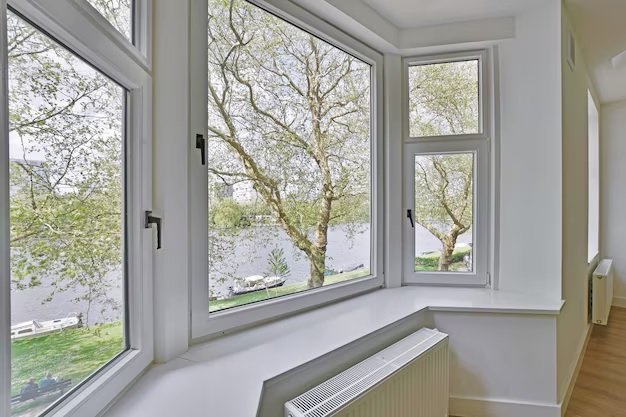
uPVC sliding windows for Durable & Energy-Efficient Homes
A home speaks of its quality, functionality as well as comfort in how well it facilitates comfort, saves energy and stands up to daily wear and tear. That said, uPVC windows have a far greater impact on enhancing this experience than most people realize. From the indoor temperature regulation to keeping outdoor disturbances at bay, the right uPVC window system could very well impact how a place feels and performs, year in and year out.Why Durability and Energy Efficiency MatterModern homes are supposed to do more than just look good; they have to adapt to changing climates, conserve energy, power as well as stay dependable with minimal maintenance. Traditional wooden windows are often constructed with hinges and get damaged when exposed to moisture, temperature fluctuations as well as continuous opening and closing.This is where the sliding uPVC windows are favored over wooden hinged windows for modern homes. Their build, structure...
-

Hedge Fund Carried Interest and Capital Gains Tax: What Investors Should Know
Hedge fund investing offers the potential for attractive returns, but it also involves complex compensation structures and tax considerations. One of the most debated aspects of hedge fund compensation is hedge fund carried interest, particularly how it is taxed compared to ordinary income. Understanding how carried interest works and its relationship to capital gains tax is essential for investors evaluating hedge fund opportunities.What Is Hedge Fund Carried Interest?Hedge fund carried interest refers to the share of profits that hedge fund managers receive as performance-based compensation. Typically, managers earn a management fee—often around 2% of assets under management—and a performance fee, commonly 20% of the fund’s profits. This performance fee is known as carried interest.Carried interest is intended to align the interests of hedge fund managers with those of investors. When the fund performs well, both parties benefit. However, the way this income is taxed has been a subject of ongoing...
-
Where Cities Pause to Breathe: Hyderabad’s Residential Story
A thoughtful look at Hyderabad’s residential evolution, shaped by steady growth, infrastructure planning, and homes designed for everyday life.Cities are not just collections of roads and buildings. They are agreements between people and places. Hyderabad has always understood this quietly. It has allowed its residents to arrive, settle, and stay without asking them to hurry. In this unspoken understanding lies the strength of the city’s residential fabric.Today, discussions around real estate in Hyderabad reveal a market shaped by patience rather than pressure. Buyers are not merely searching for addresses; they are choosing continuity. The city’s residential growth reflects this mindset, offering homes that support long-term living instead of temporary occupation.Why Hyderabad’s Housing Market Feels DifferentHyderabad’s residential stability is not accidental. It is the result of multiple factors working together, each reinforcing the other.Key characteristics shaping the market include:• Economic diversity: IT, pharmaceuticals, manufacturing, and research sectors employ over one million professionals...
-
.jpg)
Fractional CO2 Laser Treatment Recovery and Healing Process
Fractional CO2 laser treatment is a highly effective procedure for skin rejuvenation, acne scar reduction, pigmentation correction, and wrinkle improvement. While it offers impressive results, understanding the recovery and healing process is essential for achieving the best outcomes. By creating microscopic channels in the skin, the treatment stimulates collagen and elastin production, promoting natural repair. Patients who choose Fractional CO2 Laser Treatment in Riyadh benefit from professional guidance during recovery to ensure smooth, safe, and effective healing.What Happens Immediately After the ProcedureImmediately following the session, patients may experience mild redness, swelling, or a warm sensation in the treated areas. Tiny pinpoint scabs or peeling may also appear, which are normal parts of the healing process. These effects usually subside within a few days, depending on the treatment intensity and skin type. Applying recommended ointments or moisturizers and avoiding direct sun exposure is crucial for protecting the skin during this delicate...
-
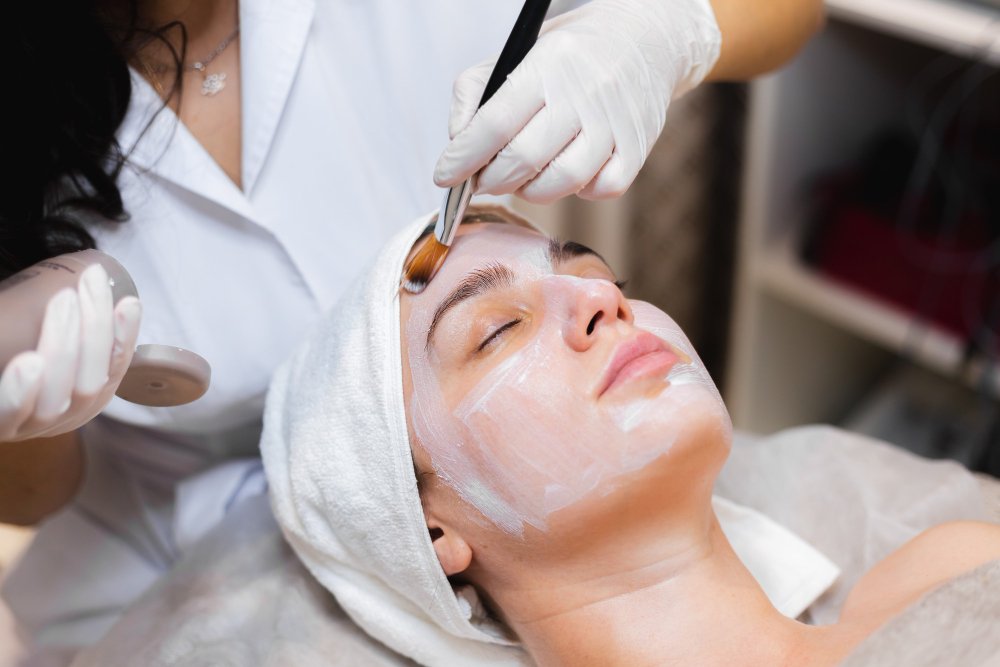
First Visit to a Medical Spa in Atlanta: What to Expect
Visiting a medical spa for the first time can be both exciting and a little intimidating. If you’re considering treatments such as skin rejuvenation, laser procedures, or injectables, knowing what to expect can help you feel confident and prepared. A medical spa Atlanta residents trust combines the relaxation of a traditional spa with advanced medical-grade treatments, all performed under professional supervision.What Is a Medical Spa?A medical spa, also known as a med spa, offers aesthetic treatments that go beyond what a day spa provides. Services are typically overseen by licensed medical professionals, such as physicians, nurse practitioners, or registered nurses. Common treatments at a medical spa Atlanta location may include Botox and dermal fillers, chemical peels, laser hair removal, body contouring, and advanced facials.The environment is designed to be calming and luxurious, while still maintaining strict medical standards for safety and hygiene.Initial Consultation and Skin AssessmentYour first visit to a...