Smart Factories in Motion: The Corporate Forces Driving Automotive Rob
Automotive Robotics Market Companies Analysis
The global Automotive Robotics Market is poised for substantial expansion, projected to grow from US$ 8.88 Billion in 2024 to US$ 22.49 Billion by 2033, reflecting a strong compound annual growth rate (CAGR) of 10.87% between 2025 and 2033.
This impressive growth trajectory highlights the accelerating transformation of automotive manufacturing. Robotics has become central to vehicle production, improving efficiency, precision, safety, and cost optimization. As automakers scale electric vehicle (EV) production and integrate advanced driver-assistance and autonomous technologies, robotic automation is increasingly indispensable.
Market Overview
Automotive robotics plays a critical role in various production stages, including:
- Welding and body shop automation
- Painting and surface finishing
- Assembly and fastening
- Material handling and palletizing
- Inspection and quality control
The industry is rapidly adopting Industry 4.0 technologies, incorporating artificial intelligence (AI), machine learning, and Industrial Internet of Things (IIoT) systems. These advancements enable real-time data monitoring, predictive maintenance, flexible automation, and adaptive production lines.
The rise of electric vehicles has further intensified the need for robotic precision. Battery assembly, lightweight component integration, and high-voltage system manufacturing demand consistent accuracy—making advanced robotics a competitive necessity.
Collaborative robots (cobots) are also reshaping production environments. Unlike traditional industrial robots, cobots can safely operate alongside human workers, enhancing flexibility and productivity in complex assembly operations.
Download Free Sample Report:https://www.renub.com/request-sample-page.php?gturl=automotive-robotics-market-competitor-analysis-p.php
Leading Companies in the Automotive Robotics Market
ABB
Founded in 1988 and headquartered in Switzerland, ABB is a global technology leader specializing in automation and electrification. The company delivers robotics, motion control systems, and digital manufacturing solutions to automotive OEMs worldwide.
ABB integrates advanced software with robotics hardware to maximize productivity and energy efficiency. Its global presence across Asia, Europe, the Americas, the Middle East, and Africa supports large-scale automotive automation projects.
Rockwell Automation Inc.
Established in 1903 and headquartered in the United States, Rockwell Automation is a leading provider of industrial automation and control solutions. Its connected enterprise systems, motion control technologies, and manufacturing intelligence platforms are widely used in automotive plants.
Rockwell supports digital transformation through AI-driven analytics, safety systems, and smart production architectures, helping manufacturers streamline operations and reduce downtime.
Yaskawa Electric Corporation
Founded in 1915 and headquartered in Japan, Yaskawa is a global pioneer in industrial robots, servo motors, and motion control systems. The company’s robotics solutions are heavily deployed in automotive welding, assembly, and materials handling applications.
Yaskawa’s integration of robotics, sensing, and control technologies under its “i³-Mechatronics” strategy strengthens its position in smart factory automation.
KUKA AG
Established in 1989 and headquartered in Germany, KUKA is a major automation provider known for intelligent robotics systems and turnkey production solutions. The company supplies automotive manufacturers with robots for body-in-white assembly, drivetrain systems, and final vehicle assembly.
As part of Midea Group, KUKA benefits from expanded global manufacturing capabilities and advanced R&D support.
Kawasaki Heavy Industries, Ltd.
Founded in 1896 and headquartered in Japan, Kawasaki operates across multiple industrial sectors, including robotics. The company manufactures industrial robots widely used in automotive welding, painting, and assembly lines.
Its diversified engineering background enables it to integrate robotics with heavy industrial systems, providing comprehensive automation solutions for vehicle manufacturers.
SWOT Analysis Highlights
Yamaha Motor Co. Ltd
Strength:
Yamaha benefits from a diversified portfolio that includes motorcycles, marine engines, robotics, and smart factory technologies. Its innovation-driven culture and advanced manufacturing systems enhance operational flexibility and resilience.
Opportunity:
Electrification and smart mobility present growth opportunities. Yamaha’s expansion into robotics, automated vehicles, and digital factory systems positions it well to capture new automation-driven revenue streams.
Fanuc Corporation
Strength:
Fanuc’s vertically integrated technology stack—covering CNC systems, servo motors, and robotics—ensures high reliability and precision. Its strong after-sales service network builds long-term customer loyalty.
Opportunity:
The integration of AI, IoT, and predictive maintenance tools within robotics systems offers growth potential. Expanding into emerging markets and small-to-medium enterprises through cobots can further diversify its customer base.
Yaskawa Electric Corporation
Strength:
Yaskawa’s deep expertise in motion control and robotics gives it a competitive advantage in high-precision automotive applications. Its extensive installed base strengthens brand trust and long-term contracts.
Opportunity:
Industry 4.0 adoption and smart manufacturing initiatives worldwide create opportunities for integrated automation platforms. Emerging markets and non-traditional sectors such as logistics and food production offer diversification pathways.
Emerging Industry Trends
Rise of Electric and Autonomous Vehicles
EV production requires high-precision battery assembly, lightweight material handling, and specialized component integration. Robotics ensures consistent manufacturing quality while reducing production cycle times.
Autonomous vehicle development also drives demand for advanced inspection systems, sensor integration robotics, and automated testing solutions.
Collaborative Robots (Cobots)
Cobots are gaining popularity due to their safety features and adaptability. They enhance productivity in areas requiring human-robot collaboration, such as interior assembly and electronics installation.
AI and Smart Manufacturing Integration
AI-driven robotics systems enable predictive maintenance, quality analytics, and real-time production optimization. Connected robots can adjust operations dynamically, reducing downtime and improving overall equipment effectiveness (OEE).
Recent Industry Developments
- March 2025: Mercedes-Benz began testing humanoid robots at its Digital Factory Campus in Berlin after investing in robotics firm Apptronik.
- March 2025: Hyundai Motor Group announced a US$ 21 billion investment in the United States (2025–2028), including US$ 6 billion allocated to robotics, AI, and autonomous driving collaborations.
- January 2025: Schaeffler unveiled an expanded motion-technology portfolio at CES 2025 following its acquisition of Vitesco Technologies, including robotics advancements.
These developments reflect the deep integration of robotics into automotive manufacturing and mobility innovation strategies.
Market Coverage and Company Analysis
The Automotive Robotics Market report provides comprehensive insights including:
- Historical Trends
- Forecast Analysis (2025–2033)
- Market Share Analysis
- Detailed Company Profiles
- Strategic SWOT Assessment
- Revenue Analysis
- Sustainability Initiatives
- Product Benchmarking
Detailed company coverage includes:
ABB, Rockwell Automation Inc., Yaskawa Electric Corporation, KUKA AG, Kawasaki Heavy Industries Ltd., Harmonic Drive Systems Inc., Omron Corporation, Yamaha Motor Co. Ltd, Fanuc Corporation, Mitsubishi Electric Corporation, Universal Robots (Teradyne), Epson Robots (Seiko Epson), Cognex Corporation, and Comau SpA.
Final Thoughts
The Automotive Robotics Market is entering a transformative decade. With projected growth from US$ 8.88 Billion in 2024 to US$ 22.49 Billion by 2033 at a CAGR of 10.87%, robotics is becoming the backbone of next-generation vehicle manufacturing.
As EV production scales and Industry 4.0 technologies mature, companies that integrate AI-driven automation, flexible robotics systems, and sustainable manufacturing practices will define the future of automotive production. The convergence of robotics, digital intelligence, and electrification ensures that automotive robotics will remain a cornerstone of global smart manufacturing ecosystems through 2033 and beyond.
Comments
You must be logged in to comment.
Latest Articals
-

The Growing Importance of Medical Second Opinions in Modern Healthcare
Receiving a serious medical diagnosis can instantly change your life. Whether it is heart disease, cancer, a complex neurological disorder, or the recommendation for major surgery, the decisions that follow often feel urgent and overwhelming. In such situations, seeking a medical second opinion is not a delay in treatment — it is a smart and responsible step toward safer healthcare.Today’s healthcare system is advanced, but it is also fast-paced and highly specialized. No single doctor can know everything. That is why medical second opinions are becoming an essential part of modern patient care.What Is a Medical Second Opinion?A medical second opinion is when another qualified specialist reviews your diagnosis, test results, and treatment plan to either confirm or suggest modifications. This independent review helps patients make informed decisions before proceeding with major medical interventions.With digital healthcare access expanding globally, patients can now request an Online Medical Second Opinion from experienced...
-
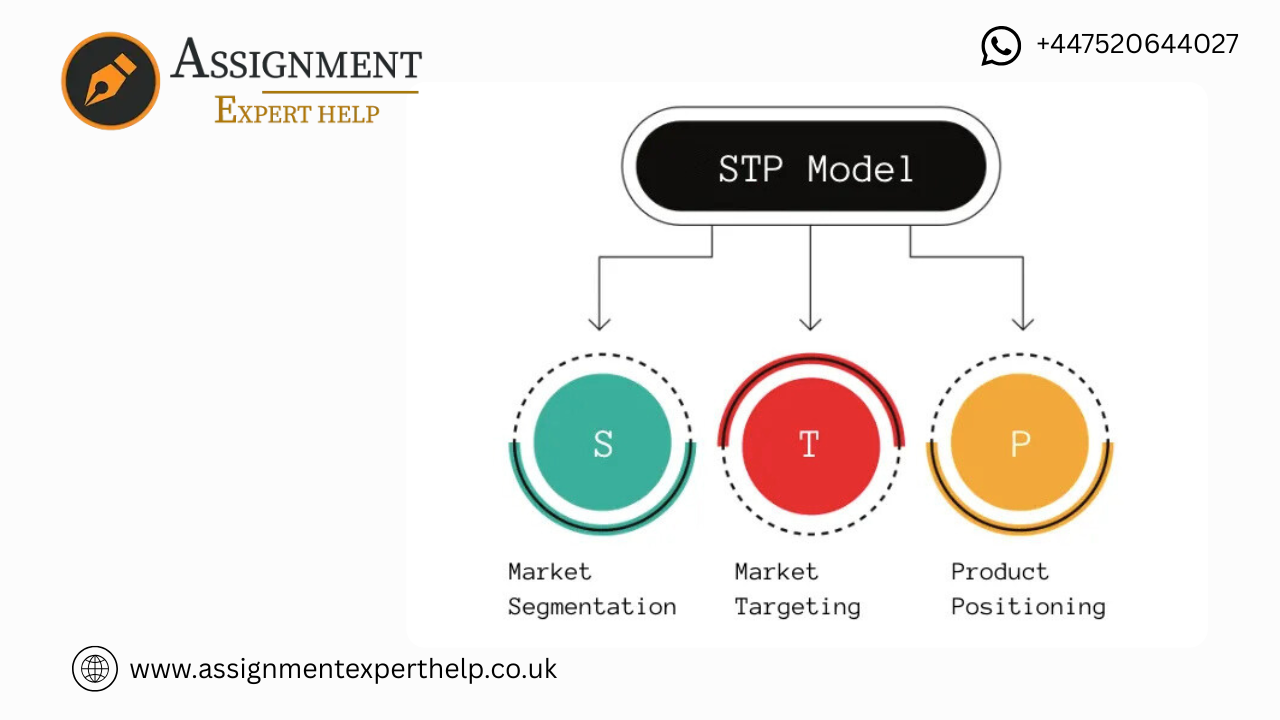
Marketing Guide to Describing STP Model for Target Market Identification
Understanding the right customers and reaching the right audience effectively is essential for business success. In today’s highly competitive and dynamic marketplace, one of the most widely used frameworks for identifying and addressing target markets is the STP Model, which stands for Segmentation, Targeting, and Positioning. There are more marketing concepts and theories that a student needs to understand in real life as well. Students who are pursuing a marketing or business degree for their future career have to do a lot of assignments. Students often find it difficult to understand these concepts and implement them in their assignments, such as case studies, dissertations, and more. This is the reason they turn to seek marketing assignment help, which will help them do well in their academics and submit assignments on time. Organisations can create focused strategies for marketing by applying the STP model, that enhance customer satisfaction, improves brand differentiation, and...
-
AI SaaS Development Services: Why Businesses Prefer MEAN & MERN Stack Solutions
Automation is no longer the only way of shaping the digital economy; intelligence is now redefining it. Organizations are now interested in platforms that not only process data but also analyze its meaning, predict trends, and respond with speed. This has enhanced the need for AI software development, especially in a scalable cloud setup.Artificial intelligence-driven systems also help companies to substitute disjointed processes with all-encompassing ecosystems. Movies are made data-driven. Experiences of customers become more instinctive. Revenue channels diversify. In the context of this change, the contemporary architectural decisions define the success or failure of innovation. Bigger and bigger companies are beginning to gravitate towards mean and mern stack development services to enable AI-based applications that cannot grant the flexibility without affecting performance.Understanding AI SaaS Development ServicesArtificial intelligence and cloud-based delivery services are merged into AI SaaS Development Services. Organizations do not install elaborate systems in general locations; rather, they...
-

The Growing Importance of Medical Second Opinions in Modern Healthcare
Receiving a serious medical diagnosis can instantly change your life. Whether it is heart disease, cancer, a complex neurological disorder, or the recommendation for major surgery, the decisions that follow often feel urgent and overwhelming. In such situations, seeking a medical second opinion is not a delay in treatment — it is a smart and responsible step toward safer healthcare.Today’s healthcare system is advanced, but it is also fast-paced and highly specialized. No single doctor can know everything. That is why medical second opinions are becoming an essential part of modern patient care.What Is a Medical Second Opinion?A medical second opinion is when another qualified specialist reviews your diagnosis, test results, and treatment plan to either confirm or suggest modifications. This independent review helps patients make informed decisions before proceeding with major medical interventions.With digital healthcare access expanding globally, patients can now request an Online Medical Second Opinion from experienced...
-

Uber Clone: A Smart Way to Launch Your Ride-Hailing Business
The transportation industry has undergone a massive transformation over the past decade. What once relied heavily on traditional taxi services has now shifted toward digital, app-driven mobility solutions. Entrepreneurs and transport companies looking to enter this competitive space often turn to an uber clone as a faster, cost-effective way to build a modern ride-hailing platform.Instead of developing a mobility app from scratch, businesses can leverage a ready-made framework that replicates proven features, workflows, and user experiences. This approach not only accelerates time-to-market but also reduces technical risks.In this blog, we’ll explore why investing in an uber clone is a strategic decision, what features matter most, and how businesses can benefit from uber clone app technology.Why Businesses Choose an Uber CloneLaunching a ride-hailing platform from the ground up can be complex, expensive, and time-consuming. It involves months or even years of design, development, testing, and refinement. An uber clone simplifies this...
-
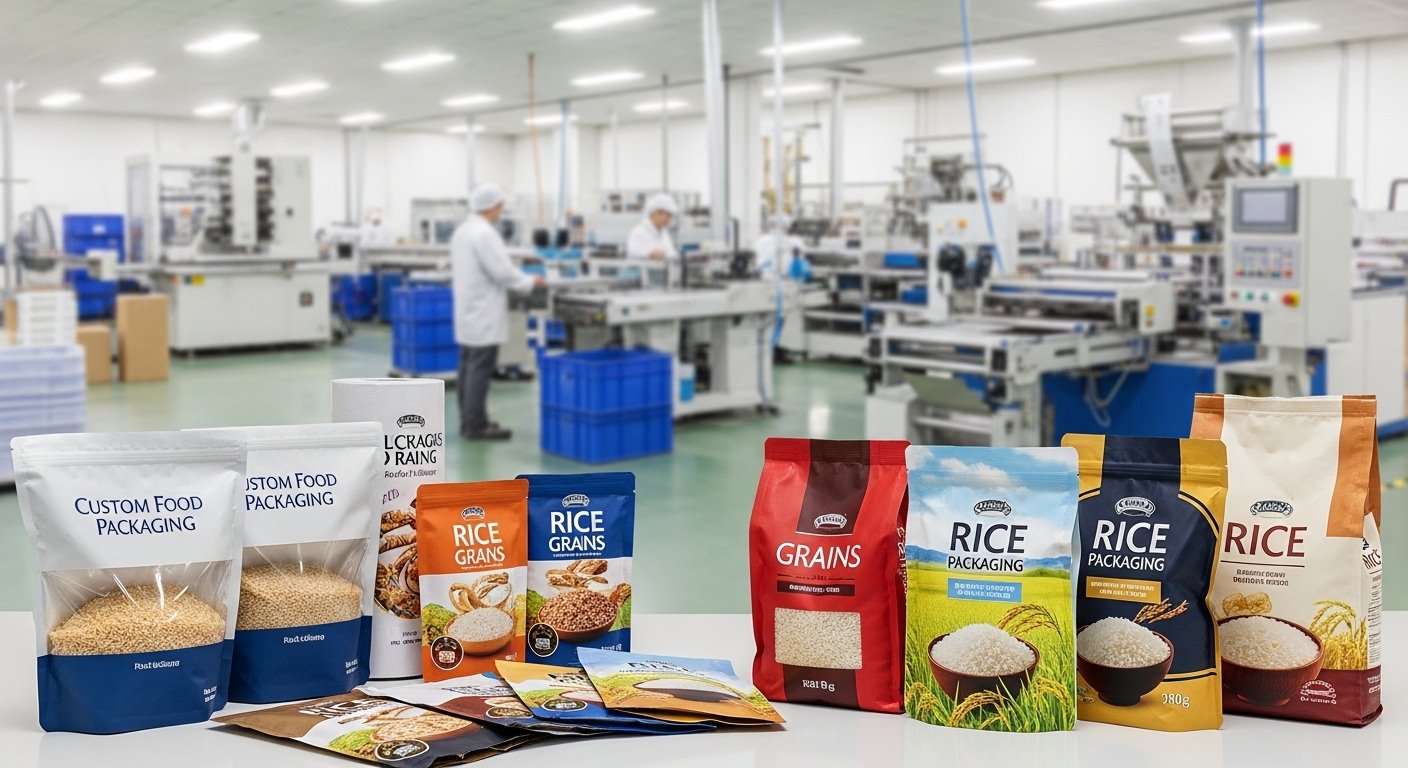
Premium Food Pouch Manufacturer – High-Quality Custom Packaging Solutions
In today’s competitive market, packaging is more than just protection — it is your brand’s identity. As a leading food pouch manufacturer, we specialize in producing high-quality, durable, and visually appealing packaging solutions designed to meet modern industry standards. Whether you are in the rice, pet food, snack, or processed food industry, we provide innovative and cost-effective packaging tailored to your brand.With advanced manufacturing technology, strict quality control systems, and a commitment to excellence, we are proud to be recognized as a reliable partner for businesses worldwide.Leading Rice Packaging Bags Manufacturer & SupplierRice is a staple food consumed globally, and its packaging must ensure freshness, durability, and shelf appeal. As a trusted rice packaging bags manufacturer, we design and produce strong, moisture-resistant, and tear-proof rice packaging bags that protect your product from contamination and environmental damage.Our rice packaging solutions are:Multi-layer laminated for maximum protectionAvailable in different sizes (1kg, 5kg, 10kg,...